




FIRST RUBBER
The Significance of High-Quality Rubber Components in Enhancing Pump Efficiency in the Healthcare Sector
Published:
Mar 15,2025
Classification:
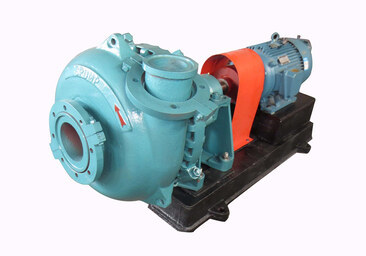
The Significance of High-Quality Rubber Components in Enhancing Pump Efficiency in the Healthcare Sector
In the healthcare industry, the performance and reliability of medical devices, particularly pumps, are crucial for patient safety and effective treatment. One often overlooked aspect of pump efficiency is the quality of rubber components used in their construction. This article explores the vital role that high-quality rubber components play in enhancing pump performance and, consequently, the overall effectiveness of healthcare delivery.
Understanding the Role of Pumps in Healthcare
Pumps are essential devices in various medical applications, ranging from drug delivery systems to fluid management in surgeries. They ensure precise dosage administration, maintain patient safety, and guarantee the smooth functioning of various medical processes. As such, the efficiency of these pumps directly impacts patient outcomes and operational success.
Types of Pumps Used in Healthcare
Healthcare relies on several types of pumps, including:
- Syringe Pumps: Used for precise drug delivery in critical care settings.
- Infusion Pumps: Deliver fluids medication over time, crucial for patients requiring constant treatment.
- Peristaltic Pumps: Often used in laboratory settings for fluid transfer and sample handling.
- Vacuum Pumps: Essential for suction in various surgical and clinical procedures.
The Impact of Pump Malfunction on Healthcare
Pump failures can lead to severe consequences, including medication errors, compromised patient safety, and even loss of life. Thus, ensuring that all components, particularly rubber parts, are of high quality is imperative for reliable pump performance.
Why Quality Rubber Components Matter
Rubber components in pumps serve multiple functions, including sealing, vibration isolation, and fluid contact. Their quality can significantly influence the performance and durability of the pump.
Key Functions of Rubber Components in Pumps
The functions of rubber components can be broadly categorized as follows:
- Sealing: Rubber provides effective sealing against leaks, ensuring that fluids remain contained.
- Flexibility: High-quality rubber can withstand repeated flexing and bending without degrading.
- Chemical Resistance: Medical-grade rubber can resist various chemicals, preventing contamination.
- Durability: Quality rubber components last longer, reducing replacement costs and downtime.
Material Selection for Rubber Components
Choosing the right material for rubber components is essential. Common materials include:
- Nitrile Rubber: Known for its excellent resistance to oils and fuels.
- Silicone Rubber: Offers superior temperature resistance and is biocompatible.
- EPDM Rubber: Excellent for weather resistance and aging, making it suitable for various applications.
Quality Control in the Manufacturing of Rubber Components
Manufacturers must adhere to strict quality control standards to ensure that rubber components meet the necessary specifications for healthcare applications.
Testing and Certification Standards
Quality rubber components should undergo rigorous testing, including:
- Physical Testing: Ensures that the rubber can withstand mechanical stresses.
- Chemical Testing: Assesses the rubber’s resistance to various substances.
- Biocompatibility Testing: Ensures that the rubber does not adversely affect patients.
Regulatory Compliance
Manufacturers must comply with regulations set forth by organizations such as the FDA and ISO to guarantee that rubber components are safe for use in healthcare settings. Non-compliance can lead to serious legal and health repercussions.
The Economic Benefits of Using Quality Rubber Components
Investing in high-quality rubber components may appear costly initially, but the long-term benefits far outweigh the expenses.
Reduced Downtime and Maintenance Costs
Quality rubber components are less likely to fail, leading to fewer maintenance issues and reduced downtime for medical pumps. This reliability translates to better service delivery and patient care.
Enhanced Performance and Accuracy
High-quality rubber components can improve the accuracy of fluid delivery, ensuring that patients receive the correct dosages. This level of precision is crucial in healthcare, where even minor errors can have significant consequences.
Case Studies: Successful Integration of Quality Rubber Components
Several healthcare institutions have reported improved outcomes following the integration of high-quality rubber components in their medical pumps.
Case Study 1: A Hospital’s Experience with Infusion Pumps
One hospital replaced standard rubber components in their infusion pumps with high-quality alternatives. They reported a 30% reduction in pump malfunctions and a notable increase in patient satisfaction due to more reliable medication delivery.
Case Study 2: Surgical Success with Durable Vacuum Pumps
A surgical center upgraded its vacuum pumps with enhanced rubber components. The result was a significant decrease in suction-related complications, thereby improving surgical outcomes and recovery times.
Future Trends in Rubber Component Manufacturing for Healthcare
The future of rubber components in healthcare is promising, with advancements in materials science leading to better-performing products.
Innovations in Material Technology
Emerging materials such as thermoplastic elastomers (TPEs) and bio-based rubbers offer new possibilities for enhanced performance and biocompatibility in medical applications.
3D Printing of Rubber Components
The advent of 3D printing in manufacturing could revolutionize the production of custom rubber components, allowing for rapid prototyping and tailored solutions for specific healthcare needs.
FAQs About Quality Rubber Components in Healthcare Pumps
1. What are the most common materials used for rubber components in healthcare pumps?
The most common materials include nitrile rubber, silicone rubber, and EPDM rubber, each offering unique benefits depending on the application.
2. How do I know if a rubber component is suitable for medical use?
Look for certifications such as FDA approval or ISO compliance, which indicate that the rubber has undergone rigorous testing for safety and efficacy.
3. What impact do rubber component failures have on patient care?
Failures can lead to incorrect dosages, leaks, or pump malfunctions, all of which can compromise patient safety and treatment effectiveness.
4. Can high-quality rubber components reduce long-term costs?
Yes, investing in high-quality components can reduce maintenance and replacement costs while improving pump reliability and performance.
5. Are there any specific testing standards for rubber components used in healthcare?
Yes, rubber components must undergo physical, chemical, and biocompatibility testing to ensure they meet healthcare standards.
Conclusion
The importance of quality rubber components in the performance of healthcare pumps cannot be overstated. By ensuring that these components are made from high-quality materials and manufactured under strict quality control standards, healthcare providers can improve pump reliability, enhance patient safety, and optimize treatment outcomes. As technology continues to advance, the integration of innovative materials and manufacturing processes will further enhance the efficacy of rubber components, driving better performance in medical devices. Investing in high-quality rubber components today paves the way for a safer and more efficient healthcare system tomorrow.

Tel: +86-0311-89197800
Hotline: +86 151 2277 7167
E-mail: inquiry1@desheng.net
Add:No. 518, Zhengding Technology Industrial Park, Shijiazhuang City, Hebei Province, China