




FIRST RUBBER
Understanding Teflon Coated Rubber Stoppers: A Crucial Component in Pharmaceutical Packaging
Published:
Mar 10,2025
Classification:
Explore the essential role and benefits of Teflon coated rubber stoppers in the pharmaceutical industry, including their properties, applications, and why they are a preferred choice for ensuring prod
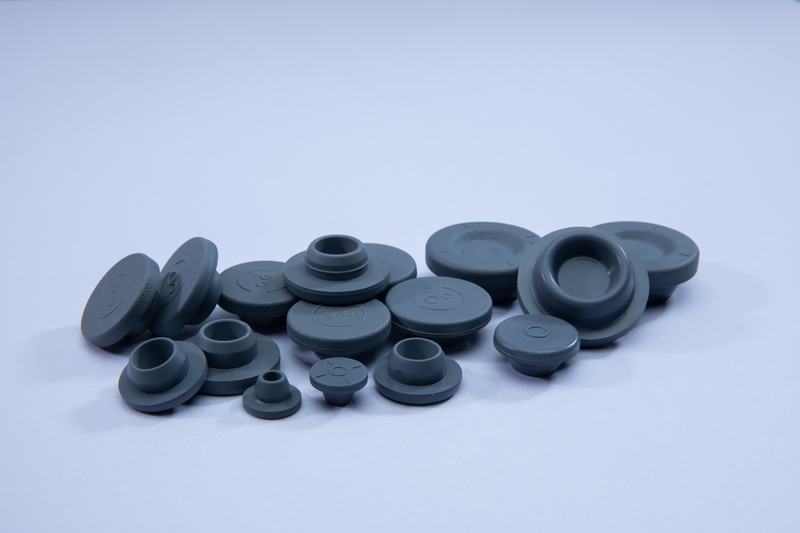
In the pharmaceutical packaging industry, the choice of materials is pivotal to maintaining product integrity and ensuring safety. One such material gaining attention is the Teflon coated rubber stopper. This advanced component serves a significant purpose in sealing vials, syringes, and various containers used in the medical field.
Teflon, known for its remarkable chemical resistance and non-stick properties, when combined with rubber, creates a stopper that offers enhanced performance. The rubber base provides flexibility and a secure seal, while the Teflon coating ensures that the stopper can withstand a wide range of chemical interactions. This makes Teflon coated rubber stoppers particularly effective for storing sensitive medications that may react adversely with other materials.
One of the key benefits of using Teflon coated rubber stoppers is their compatibility with various solvents and pharmaceuticals. The Teflon coating serves as a barrier that minimizes leachables and extractables, which can compromise the integrity of the drug stored within. This is particularly crucial in the pharmaceutical sector, where the purity of medications is paramount. By preventing contamination from the stopper itself, manufacturers can ensure the efficacy and safety of their products.
Another significant advantage of Teflon coated rubber stoppers is their durability. They exhibit excellent performance under a range of temperature and pressure conditions, which is essential when dealing with sterilization processes. Many pharmaceutical products require stringent sterilization methods, including autoclaving. The resilience of Teflon coated rubber stoppers ensures they maintain their integrity and sealing capabilities even after undergoing these processes.
In addition to their practical applications, Teflon coated rubber stoppers also improve the overall efficiency of the packaging process. Their design allows for easy insertion and removal, aiding in the rapid filling and sealing of vials. This efficiency can lead to lower operational costs and increased throughput in pharmaceutical manufacturing facilities.
Moreover, the use of Teflon coated rubber stoppers contributes to sustainability in pharmaceutical packaging. With an increasing focus on environmental responsibility, these stoppers can be produced with recyclable materials, aligning with the industry's goals to reduce waste and promote eco-friendly practices.
In conclusion, Teflon coated rubber stoppers play a vital role in the pharmaceutical packaging industry, providing a combination of chemical resistance, durability, and efficiency. Their unique properties make them an indispensable component for maintaining the safety and integrity of medications. As the industry continues to evolve, understanding the benefits and applications of Teflon coated rubber stoppers will be crucial for professionals seeking to optimize their packaging solutions.
Teflon, known for its remarkable chemical resistance and non-stick properties, when combined with rubber, creates a stopper that offers enhanced performance. The rubber base provides flexibility and a secure seal, while the Teflon coating ensures that the stopper can withstand a wide range of chemical interactions. This makes Teflon coated rubber stoppers particularly effective for storing sensitive medications that may react adversely with other materials.
One of the key benefits of using Teflon coated rubber stoppers is their compatibility with various solvents and pharmaceuticals. The Teflon coating serves as a barrier that minimizes leachables and extractables, which can compromise the integrity of the drug stored within. This is particularly crucial in the pharmaceutical sector, where the purity of medications is paramount. By preventing contamination from the stopper itself, manufacturers can ensure the efficacy and safety of their products.
Another significant advantage of Teflon coated rubber stoppers is their durability. They exhibit excellent performance under a range of temperature and pressure conditions, which is essential when dealing with sterilization processes. Many pharmaceutical products require stringent sterilization methods, including autoclaving. The resilience of Teflon coated rubber stoppers ensures they maintain their integrity and sealing capabilities even after undergoing these processes.
In addition to their practical applications, Teflon coated rubber stoppers also improve the overall efficiency of the packaging process. Their design allows for easy insertion and removal, aiding in the rapid filling and sealing of vials. This efficiency can lead to lower operational costs and increased throughput in pharmaceutical manufacturing facilities.
Moreover, the use of Teflon coated rubber stoppers contributes to sustainability in pharmaceutical packaging. With an increasing focus on environmental responsibility, these stoppers can be produced with recyclable materials, aligning with the industry's goals to reduce waste and promote eco-friendly practices.
In conclusion, Teflon coated rubber stoppers play a vital role in the pharmaceutical packaging industry, providing a combination of chemical resistance, durability, and efficiency. Their unique properties make them an indispensable component for maintaining the safety and integrity of medications. As the industry continues to evolve, understanding the benefits and applications of Teflon coated rubber stoppers will be crucial for professionals seeking to optimize their packaging solutions.

Tel: +86-0311-89197800
Hotline: +86 151 2277 7167
E-mail: inquiry1@desheng.net
Add:No. 518, Zhengding Technology Industrial Park, Shijiazhuang City, Hebei Province, China