




FIRST RUBBER
Essential Insights on Rubber Components for Pumps in Pharmaceutical Packaging
Published:
Mar 20,2025
Classification:
Discover the significance of rubber components in pump applications within the pharmaceutical packaging industry. This article provides valuable information on the materials, benefits, and best practi
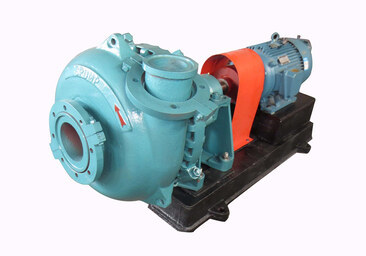
In the pharmaceutical packaging sector, the role of rubber components for pumps cannot be understated. These components are crucial in ensuring the safe and efficient transfer of various substances, ranging from active pharmaceutical ingredients to excipients. Understanding the types of rubber used, their properties, and how they interact with different chemicals can greatly influence the effectiveness of pharmaceutical packaging solutions.
Rubber components used in pumps are typically designed to create seals, gaskets, and diaphragms that prevent leaks and contamination. Common materials include natural rubber, synthetic rubber, and specialized compounds designed to withstand harsh conditions. Each type of rubber has its own set of properties, such as temperature resistance, chemical compatibility, and durability, which are essential for maintaining the integrity of pharmaceutical products.
One of the critical factors when selecting rubber components for pumps is their compatibility with the specific fluids they will encounter. For instance, certain types of synthetic rubber may be more suitable for aggressive solvents or highly viscous materials. Compatibility testing is advisable to ensure that the rubber will not degrade over time, which could lead to failures or contamination of the pharmaceutical products being handled.
Another important consideration is the regulatory compliance of rubber components for pumps. In the pharmaceutical industry, materials must adhere to stringent guidelines to ensure safety and efficacy. This includes compliance with standards set by agencies such as the FDA and EMA. Manufacturers of rubber components often provide documentation and certificates to demonstrate that their products meet these regulatory requirements.
Maintenance and regular inspections of rubber components are also critical for their long-term performance. Over time, rubber can wear down or become brittle, leading to potential failures. Establishing a routine maintenance schedule can help identify wear-and-tear issues before they escalate into more significant problems. Additionally, using proper installation techniques can enhance the lifespan of rubber components in pumps.
In summary, rubber components for pumps play an essential role in the pharmaceutical packaging industry. Selecting the right materials, ensuring compatibility with substances, and complying with regulatory standards are crucial steps in maintaining the quality and safety of pharmaceutical products. By understanding these factors, businesses can optimize their packaging processes and enhance the reliability of their pump systems. As a result, investing in high-quality rubber components not only improves operational efficiency but also ensures the protection of critical medical products.
Rubber components used in pumps are typically designed to create seals, gaskets, and diaphragms that prevent leaks and contamination. Common materials include natural rubber, synthetic rubber, and specialized compounds designed to withstand harsh conditions. Each type of rubber has its own set of properties, such as temperature resistance, chemical compatibility, and durability, which are essential for maintaining the integrity of pharmaceutical products.
One of the critical factors when selecting rubber components for pumps is their compatibility with the specific fluids they will encounter. For instance, certain types of synthetic rubber may be more suitable for aggressive solvents or highly viscous materials. Compatibility testing is advisable to ensure that the rubber will not degrade over time, which could lead to failures or contamination of the pharmaceutical products being handled.
Another important consideration is the regulatory compliance of rubber components for pumps. In the pharmaceutical industry, materials must adhere to stringent guidelines to ensure safety and efficacy. This includes compliance with standards set by agencies such as the FDA and EMA. Manufacturers of rubber components often provide documentation and certificates to demonstrate that their products meet these regulatory requirements.
Maintenance and regular inspections of rubber components are also critical for their long-term performance. Over time, rubber can wear down or become brittle, leading to potential failures. Establishing a routine maintenance schedule can help identify wear-and-tear issues before they escalate into more significant problems. Additionally, using proper installation techniques can enhance the lifespan of rubber components in pumps.
In summary, rubber components for pumps play an essential role in the pharmaceutical packaging industry. Selecting the right materials, ensuring compatibility with substances, and complying with regulatory standards are crucial steps in maintaining the quality and safety of pharmaceutical products. By understanding these factors, businesses can optimize their packaging processes and enhance the reliability of their pump systems. As a result, investing in high-quality rubber components not only improves operational efficiency but also ensures the protection of critical medical products.

Tel: +86-0311-89197800
Hotline: +86 151 2277 7167
E-mail: inquiry1@desheng.net
Add:No. 518, Zhengding Technology Industrial Park, Shijiazhuang City, Hebei Province, China