




FIRST RUBBER
Unlocking Efficiency: The Role of Rubber Impellers in Chemical Applications
Published:
Feb 03,2025
Classification:
Discover how rubber impellers enhance efficiency in chemical applications. This comprehensive guide explores their benefits, types, and optimal use in the chemical industry, ensuring you stay ahead in
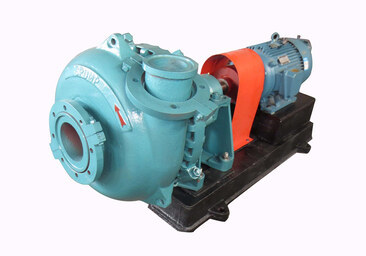
Unlocking Efficiency: The Role of Rubber Impellers in Chemical Applications
Table of Contents
- Introduction to Rubber Impellers in Chemical Processes
- Key Benefits of Using Rubber Impellers
- Types of Rubber Impellers in the Chemical Industry
- Applications of Rubber Impellers in Chemical Manufacturing
- Design Considerations for Rubber Impellers
- Maintenance of Rubber Impellers for Longevity
- Cost-Effectiveness of Rubber Impellers
- Future Trends in Rubber Impeller Technology
- Conclusion: The Path to Enhanced Efficiency
- Frequently Asked Questions
Introduction to Rubber Impellers in Chemical Processes
Rubber impellers play a pivotal role in enhancing the efficiency of various chemical processes. As industries increasingly demand more efficient and reliable equipment, rubber impellers have emerged as essential components in pumps, mixers, and reactors. These impellers not only contribute to the effective mixing and transportation of chemicals but also ensure the longevity and durability of the machinery involved. By utilizing rubber impellers, companies can significantly streamline their operations and reduce downtime, paving the way for greater productivity.
Key Benefits of Using Rubber Impellers
The adoption of rubber impellers in chemical applications offers numerous advantages. Here are the primary benefits:
1. Chemical Resistance
Rubber impellers exhibit excellent resistance to a wide range of chemicals, including acids, bases, and solvents. This characteristic makes them suitable for various aggressive environments within chemical manufacturing processes.
2. Flexibility and Durability
The inherent flexibility of rubber allows impellers to withstand significant wear and tear. This durability ensures that they maintain their functionality and efficiency over time, ultimately leading to lower replacement costs.
3. Reduced Noise and Vibration
Rubber impellers can effectively dampen noise and vibration, creating a more pleasant working environment. This feature is particularly important in large-scale chemical plants, where excessive noise can lead to decreased worker morale and productivity.
4. Enhanced Mixing Capabilities
The design of rubber impellers allows for improved mixing of fluids, which is crucial in many chemical processes. Efficient mixing not only leads to better product quality but also reduces the time required for reactions to occur.
5. Cost Efficiency
While the initial investment in rubber impellers might be higher than their metal counterparts, their long lifespan and low maintenance requirements often result in significant cost savings over time.
Types of Rubber Impellers in the Chemical Industry
In the chemical industry, two primary types of rubber impellers are prevalent: natural rubber impellers and synthetic rubber impellers. Both types serve specific purposes and are chosen based on the application.
Natural Rubber Impellers
Natural rubber impellers are known for their superior elasticity and resilience. They are ideal for applications that require a high degree of flexibility. However, they are less resistant to certain chemicals and temperatures, which can limit their use in more aggressive environments.
Synthetic Rubber Impellers
Synthetic rubber impellers are engineered to offer enhanced chemical resistance and durability. They can withstand high temperatures and harsh chemicals, making them suitable for a wider range of applications. Common types of synthetic rubber used for impellers include neoprene and nitrile.
Applications of Rubber Impellers in Chemical Manufacturing
Rubber impellers find applications across various sectors within the chemical industry, including:
A. Pumping Systems
In pumping systems, rubber impellers facilitate the transportation of liquids, ensuring a smooth flow while minimizing wear on the pump components.
B. Mixing Tanks
In mixing tanks, rubber impellers enhance the blending of liquids, solids, and gases. Their design promotes effective circulation, which is essential for achieving uniform mixtures.
C. Reactors
In reactors, rubber impellers play a crucial role in maintaining the necessary conditions for chemical reactions. They ensure that reactants are adequately mixed to promote optimal reaction rates.
Design Considerations for Rubber Impellers
When designing rubber impellers for chemical applications, several key factors must be considered:
1. Size and Shape
The size and shape of the impeller significantly impact its performance. A well-designed impeller can enhance flow rates and improve mixing efficiency.
2. Material Selection
Choosing the right rubber material is critical for ensuring the impeller's performance in specific chemical environments. Factors such as temperature, pressure, and chemical compatibility must be evaluated.
3. Surface Finish
The surface finish of the impeller can influence its interaction with the fluid. A smooth finish may reduce turbulence and enhance flow efficiency, while a rough finish can improve mixing.
Maintenance of Rubber Impellers for Longevity
Regular maintenance is essential for maximizing the lifespan of rubber impellers. Here are some best practices:
1. Routine Inspections
Conducting routine inspections can help identify wear and damage early on. This proactive approach allows for timely repairs or replacements, minimizing downtime.
2. Cleaning
Keeping rubber impellers clean and free from chemical residues is vital. Regular cleaning prevents degradation and maintains optimal performance.
3. Monitoring Operating Conditions
Monitoring temperature, pressure, and chemical exposure will help ensure that the impellers operate within their specified limits, reducing the risk of failure.
Cost-Effectiveness of Rubber Impellers
Investing in rubber impellers can lead to long-term savings. Their durability and resistance to wear can significantly reduce the frequency of replacements, lower maintenance costs, and decrease operational downtime. Furthermore, the enhanced efficiency provided by rubber impellers can lead to higher productivity and lower energy consumption.
Future Trends in Rubber Impeller Technology
As the chemical industry evolves, so does the technology behind rubber impellers. Some key trends to watch include:
1. Advanced Materials
Research is underway to develop advanced rubber materials that offer even greater chemical resistance and durability, potentially expanding the applications for rubber impellers.
2. Smart Technology Integration
The integration of smart technologies, such as sensors and IoT connectivity, is beginning to influence the design of rubber impellers, allowing for real-time monitoring and predictive maintenance.
3. Sustainable Practices
With increasing focus on sustainability, manufacturers are exploring eco-friendly rubber materials and production methods to reduce the environmental impact of rubber impellers.
Conclusion: The Path to Enhanced Efficiency
Rubber impellers are essential components in the chemical industry, playing a crucial role in enhancing efficiency across various applications. Their unique properties, including chemical resistance, flexibility, and durability, make them suitable for a range of environments. By understanding the different types of rubber impellers, their applications, and best maintenance practices, companies can unlock significant advantages in their operations. As technology advances, the future of rubber impellers promises even greater efficiency and innovation, paving the way for a more sustainable and productive chemical industry.
Frequently Asked Questions
1. What are rubber impellers used for in chemical processes?
Rubber impellers are primarily used for mixing and transporting liquids in various chemical applications, including pumps, mixers, and reactors.
2. How do I choose the right rubber material for my impeller?
Consider factors such as chemical compatibility, temperature, and pressure when selecting the rubber material for your impeller.
3. How often should rubber impellers be maintained?
Regular maintenance should include routine inspections and cleaning to ensure optimal performance and longevity. Frequency can vary based on the operating conditions.
4. Are rubber impellers cost-effective compared to metal impellers?
While rubber impellers may have a higher initial cost, their durability and low maintenance needs can lead to long-term savings and increased efficiency.
5. What is the lifespan of a rubber impeller?
The lifespan of a rubber impeller depends on factors such as material, operating conditions, and maintenance practices, but they are generally designed to last for years with proper care.

Tel: +86-0311-89197800
Hotline: +86 151 2277 7167
E-mail: inquiry1@desheng.net
Add:No. 518, Zhengding Technology Industrial Park, Shijiazhuang City, Hebei Province, China