




FIRST RUBBER
Understanding Rubber Impellers: Essential Components in Chemical Applications
Published:
Feb 08,2025
Classification:
This article delves into the significance of rubber impellers in the chemical industry, exploring their composition, functionality, and the advantages they bring to various applications. Discover how
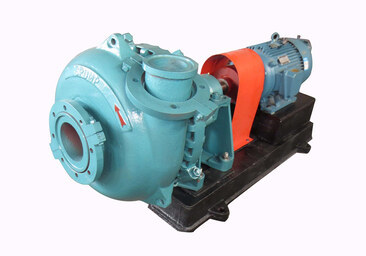
Rubber impellers play a crucial role in various applications within the chemical industry, particularly in fluid management systems. These components are designed to move fluids through pumps, mixers, and other equipment efficiently. Made from high-quality rubber, they are engineered to withstand harsh conditions, such as exposure to chemicals, temperature fluctuations, and physical wear and tear.
One of the primary advantages of using rubber impellers lies in their flexibility and resilience. Rubber can absorb shock and vibration, reducing the risk of damage to both the impeller and the equipment it operates within. This characteristic is particularly important in environments where mechanical stress is prevalent. Additionally, rubber impellers can provide a tight seal when fitted correctly, minimizing the risk of leaks and ensuring that the system operates efficiently.
Another key benefit of rubber impellers is their resistance to abrasion and corrosion. In the chemical industry, processes often involve the handling of abrasive particles or corrosive substances. Rubber’s innate properties allow it to maintain integrity and performance over time, leading to lower maintenance costs and longer service life. This durability translates into less frequent replacements, which can significantly impact overall operational costs.
The design of rubber impellers can vary based on their intended application. Factors such as size, shape, and the type of rubber used can all influence performance. For instance, an impeller designed for a high-viscosity fluid may feature a different blade design compared to one intended for low-viscosity applications. Understanding the specific needs of your process is essential when selecting the right rubber impeller.
In addition to performance benefits, rubber impellers contribute to energy efficiency in pumping systems. Their design can enhance fluid flow, reducing the amount of energy required to move fluids through the system. This improved efficiency is essential in the chemical industry, where energy costs can be significant.
Overall, rubber impellers represent a vital component in chemical processing and fluid management. Their unique properties and design flexibility make them suitable for a wide range of applications, from simple fluid transfer to complex mixing operations. By investing in high-quality rubber impellers, companies can enhance their operational efficiency, reduce downtime, and ultimately improve their bottom line.
As you explore your options in rubber impellers, consider not only the performance characteristics but also the specific requirements of your application. With the right selection, you can optimize your processes and achieve greater success in your operations.
One of the primary advantages of using rubber impellers lies in their flexibility and resilience. Rubber can absorb shock and vibration, reducing the risk of damage to both the impeller and the equipment it operates within. This characteristic is particularly important in environments where mechanical stress is prevalent. Additionally, rubber impellers can provide a tight seal when fitted correctly, minimizing the risk of leaks and ensuring that the system operates efficiently.
Another key benefit of rubber impellers is their resistance to abrasion and corrosion. In the chemical industry, processes often involve the handling of abrasive particles or corrosive substances. Rubber’s innate properties allow it to maintain integrity and performance over time, leading to lower maintenance costs and longer service life. This durability translates into less frequent replacements, which can significantly impact overall operational costs.
The design of rubber impellers can vary based on their intended application. Factors such as size, shape, and the type of rubber used can all influence performance. For instance, an impeller designed for a high-viscosity fluid may feature a different blade design compared to one intended for low-viscosity applications. Understanding the specific needs of your process is essential when selecting the right rubber impeller.
In addition to performance benefits, rubber impellers contribute to energy efficiency in pumping systems. Their design can enhance fluid flow, reducing the amount of energy required to move fluids through the system. This improved efficiency is essential in the chemical industry, where energy costs can be significant.
Overall, rubber impellers represent a vital component in chemical processing and fluid management. Their unique properties and design flexibility make them suitable for a wide range of applications, from simple fluid transfer to complex mixing operations. By investing in high-quality rubber impellers, companies can enhance their operational efficiency, reduce downtime, and ultimately improve their bottom line.
As you explore your options in rubber impellers, consider not only the performance characteristics but also the specific requirements of your application. With the right selection, you can optimize your processes and achieve greater success in your operations.

Tel: +86-0311-89197800
Hotline: +86 151 2277 7167
E-mail: inquiry1@desheng.net
Add:No. 518, Zhengding Technology Industrial Park, Shijiazhuang City, Hebei Province, China