




FIRST RUBBER
Understanding Rubber Impellers: Key Insights for the Chemical Industry
Published:
Jan 29,2025
Classification:
This article delves into the significance of rubber impellers in the chemical industry, highlighting their unique properties, applications, and benefits. Gain valuable knowledge about how these compon
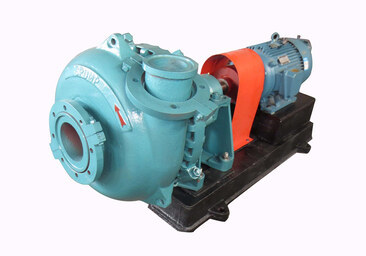
Rubber impellers are essential components widely utilized in various applications within the chemical industry, particularly where fluid dynamics play a vital role. Made from resilient rubber materials, these impellers are crafted to enhance the performance of pumps, mixers, and other equipment designed to move or mix liquids efficiently.
One of the primary advantages of rubber impellers is their excellent resistance to wear and tear. In environments where abrasive substances or corrosive chemicals are present, rubber impellers can withstand significant stress, ensuring longevity and consistent performance. This durability is crucial, as it minimizes downtime and maintenance costs, allowing for smoother operations in chemical processing facilities.
The flexibility of rubber impellers also sets them apart from their metal counterparts. The elastic properties of rubber allow these impellers to adapt to varying fluid conditions, reducing the risk of cavitation—a phenomenon that can severely impair pump efficiency. When used in applications involving high flow rates or fluctuating pressures, rubber impellers provide a reliable solution that maintains operational integrity.
Another noteworthy aspect of rubber impellers is their ability to handle a range of viscosities and specific gravities in liquids. This versatility makes them suitable for a variety of applications, from chemical processing to wastewater treatment. The adaptability of rubber impellers ensures that they can efficiently manage different types of fluids, accommodating the diverse needs of the chemical industry.
Moreover, rubber impellers are often favored for their noise-reducing properties. In industries where noise pollution is a concern, the soft nature of rubber helps to dampen sound, contributing to a more pleasant working environment. This is particularly relevant in facilities where prolonged exposure to loud machinery can impact worker well-being.
In summary, rubber impellers are invaluable in the chemical industry due to their durability, flexibility, and versatility. Their ability to withstand harsh conditions and adapt to various fluid dynamics makes them an excellent choice for enhancing the efficiency of pumps and mixers. By incorporating rubber impellers into your operations, you can significantly improve overall performance while ensuring a safer and more sustainable working environment. Whether you’re dealing with abrasive materials or looking for a quieter solution, rubber impellers represent a reliable and effective option for your chemical processing needs.
One of the primary advantages of rubber impellers is their excellent resistance to wear and tear. In environments where abrasive substances or corrosive chemicals are present, rubber impellers can withstand significant stress, ensuring longevity and consistent performance. This durability is crucial, as it minimizes downtime and maintenance costs, allowing for smoother operations in chemical processing facilities.
The flexibility of rubber impellers also sets them apart from their metal counterparts. The elastic properties of rubber allow these impellers to adapt to varying fluid conditions, reducing the risk of cavitation—a phenomenon that can severely impair pump efficiency. When used in applications involving high flow rates or fluctuating pressures, rubber impellers provide a reliable solution that maintains operational integrity.
Another noteworthy aspect of rubber impellers is their ability to handle a range of viscosities and specific gravities in liquids. This versatility makes them suitable for a variety of applications, from chemical processing to wastewater treatment. The adaptability of rubber impellers ensures that they can efficiently manage different types of fluids, accommodating the diverse needs of the chemical industry.
Moreover, rubber impellers are often favored for their noise-reducing properties. In industries where noise pollution is a concern, the soft nature of rubber helps to dampen sound, contributing to a more pleasant working environment. This is particularly relevant in facilities where prolonged exposure to loud machinery can impact worker well-being.
In summary, rubber impellers are invaluable in the chemical industry due to their durability, flexibility, and versatility. Their ability to withstand harsh conditions and adapt to various fluid dynamics makes them an excellent choice for enhancing the efficiency of pumps and mixers. By incorporating rubber impellers into your operations, you can significantly improve overall performance while ensuring a safer and more sustainable working environment. Whether you’re dealing with abrasive materials or looking for a quieter solution, rubber impellers represent a reliable and effective option for your chemical processing needs.

Tel: +86-0311-89197800
Hotline: +86 151 2277 7167
E-mail: inquiry1@desheng.net
Add:No. 518, Zhengding Technology Industrial Park, Shijiazhuang City, Hebei Province, China