




FIRST RUBBER
The Essential Guide to Rubber Conveyor Belts in Industrial Applications
Published:
Oct 01,2024
Classification:
Explore the critical role that rubber conveyor belts play in various industrial sectors. This article provides insights into their construction, benefits, and applications, making it a valuable resour
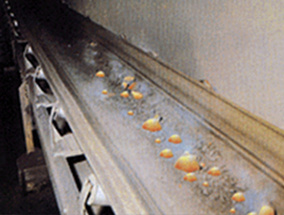
Rubber conveyor belts are a fundamental component in many industrial settings, providing reliable and efficient transport of materials across various processes. These belts are designed to withstand heavy loads, resist wear and tear, and operate under challenging conditions. One of the primary advantages of rubber conveyor belts is their flexibility and durability, which make them suitable for diverse applications, from mining and agriculture to manufacturing and logistics.
The construction of rubber conveyor belts typically involves multiple layers, including a core made of textile or steel that provides strength and flexibility. The outer surface is coated with rubber, which can be formulated to meet specific needs such as abrasion resistance, oil resistance, or temperature tolerance. This layered design allows the belts to transport materials without significant risk of damage, ensuring a smooth and uninterrupted flow of production.
One of the most critical factors in the performance of rubber conveyor belts is their ability to manage different types of loads. They can handle bulk materials, packaged goods, and even heavy machinery components. The adaptability of rubber conveyor belts makes them a popular choice in industries where material type and weight can vary significantly from one operation to another.
Furthermore, rubber conveyor belts are designed to be low-maintenance, which is vital for industrial operations aiming to minimize downtime and maintenance costs. Regular inspections and minor adjustments can extend the life of these belts, ensuring that production processes remain efficient and cost-effective.
In addition to their mechanical advantages, rubber conveyor belts also contribute to workplace safety. They reduce the need for manual handling of heavy materials, significantly lowering the risk of workplace accidents. By automating the transport of goods, these belts help create a more organized and efficient working environment.
When selecting a rubber conveyor belt, it's essential to consider several factors such as the type of material being transported, the operating environment, and the specific requirements of the application. Understanding these elements can lead to better decision-making, ensuring that the chosen belt will perform optimally in the intended setting.
In summary, rubber conveyor belts are indispensable in the industrial sector, thanks to their durability, flexibility, and safety features. Their ability to handle diverse materials and loads makes them a versatile solution for a wide range of applications. Whether in mining, manufacturing, or logistics, rubber conveyor belts contribute significantly to operational efficiency and productivity, making them a key component in modern industrial equipment. By understanding the attributes and applications of rubber conveyor belts, businesses can enhance their production processes and improve overall performance.
The construction of rubber conveyor belts typically involves multiple layers, including a core made of textile or steel that provides strength and flexibility. The outer surface is coated with rubber, which can be formulated to meet specific needs such as abrasion resistance, oil resistance, or temperature tolerance. This layered design allows the belts to transport materials without significant risk of damage, ensuring a smooth and uninterrupted flow of production.
One of the most critical factors in the performance of rubber conveyor belts is their ability to manage different types of loads. They can handle bulk materials, packaged goods, and even heavy machinery components. The adaptability of rubber conveyor belts makes them a popular choice in industries where material type and weight can vary significantly from one operation to another.
Furthermore, rubber conveyor belts are designed to be low-maintenance, which is vital for industrial operations aiming to minimize downtime and maintenance costs. Regular inspections and minor adjustments can extend the life of these belts, ensuring that production processes remain efficient and cost-effective.
In addition to their mechanical advantages, rubber conveyor belts also contribute to workplace safety. They reduce the need for manual handling of heavy materials, significantly lowering the risk of workplace accidents. By automating the transport of goods, these belts help create a more organized and efficient working environment.
When selecting a rubber conveyor belt, it's essential to consider several factors such as the type of material being transported, the operating environment, and the specific requirements of the application. Understanding these elements can lead to better decision-making, ensuring that the chosen belt will perform optimally in the intended setting.
In summary, rubber conveyor belts are indispensable in the industrial sector, thanks to their durability, flexibility, and safety features. Their ability to handle diverse materials and loads makes them a versatile solution for a wide range of applications. Whether in mining, manufacturing, or logistics, rubber conveyor belts contribute significantly to operational efficiency and productivity, making them a key component in modern industrial equipment. By understanding the attributes and applications of rubber conveyor belts, businesses can enhance their production processes and improve overall performance.

Tel: +86-0311-89197800
Hotline: +86 151 2277 7167
E-mail: inquiry1@desheng.net
Add:No. 518, Zhengding Technology Industrial Park, Shijiazhuang City, Hebei Province, China