




FIRST RUBBER
The Effect of Slurry Pump Impeller Size on System Performance: Unveiling the Hidden Dynamics
Published:
Sep 26,2024
Classification:
Discover how impeller size directly influences the efficiency, flow rate, and overall performance of slurry pumps. This comprehensive guide will provide insights into selecting the right impeller size
The Effect of Slurry Pump Impeller Size on System Performance
Table of Contents
- 1. Introduction to Slurry Pumps
- 2. Importance of Impeller Size in Slurry Pumps
- 3. Understanding Slurry Pump Impellers
- 4. How Impeller Size Affects Flow Rate and Head
- 5. Impact of Impeller Size on Energy Efficiency
- 6. Cavitation and Its Relationship with Impeller Size
- 7. Material Considerations for Impellers
- 8. Choosing the Right Impeller Size for Your Application
- 9. Conclusion
- 10. FAQs
1. Introduction to Slurry Pumps
Slurry pumps are vital in various industries, particularly in the **chemical**, **mining**, and **construction** sectors, where they transport a mixture of solids and liquids known as slurry. Understanding the factors that affect their functionality is critical for ensuring efficient operation. Among these factors, the **impeller size** plays a crucial role in determining the system's overall performance.
2. Importance of Impeller Size in Slurry Pumps
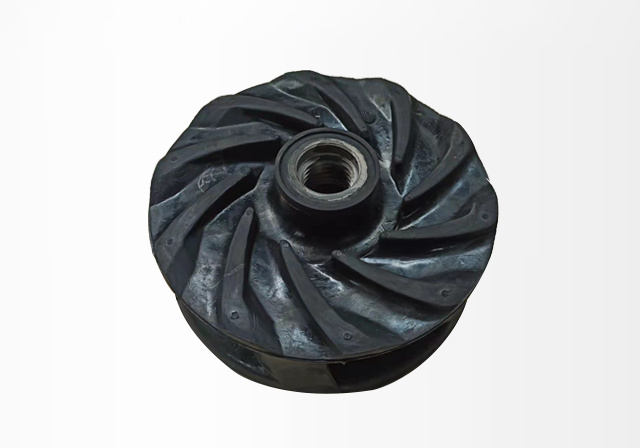
The **impeller** is the heart of a slurry pump. It is responsible for generating the hydraulic energy required to move the slurry through the system. The size of the impeller affects various operational parameters, including **flow rate**, **pressure**, and overall **pump efficiency**.
Selecting the correct impeller size is not just about meeting the requirements of the immediate application; it significantly influences the reliability and longevity of the pump itself. An improperly sized impeller can lead to increased wear and tear, decreased performance, and even catastrophic failure.
3. Understanding Slurry Pump Impellers
Slurry pump impellers can vary in design and construction, generally categorized into two types: **open** and **closed impellers**.
- **Open Impellers**: These have no shroud and provide better passage for large solids. They are best suited for applications with high concentrations of abrasive particles.
- **Closed Impellers**: These consist of two shrouded plates that create a more efficient pumping mechanism, ideal for low-solids applications.
Each design's effectiveness hinges significantly on **impeller size** and geometry, influencing how effectively the slurry moves through the pump.
4. How Impeller Size Affects Flow Rate and Head
The **flow rate** of a slurry pump is directly influenced by the impeller size. A larger impeller typically increases the flow rate, as it moves more fluid with each rotation. However, the trade-off is often seen in the **pump head**, which is the height to which the pump can raise the slurry.
- **Increased Impeller Size**: Results in a higher flow rate but can lead to a decrease in pump head, especially if the system is not designed to handle the increased flow.
- **Decreased Impeller Size**: Generally leads to lower flow rates but can improve the pump head, making it suitable for applications requiring greater vertical lift.
Understanding this relationship enables engineers to tailor the pump system to specific operational needs, balancing flow and head requirements.
5. Impact of Impeller Size on Energy Efficiency
Energy efficiency is a critical consideration in slurry pump operations. The impeller size can significantly affect the energy consumption of a pump. A well-sized impeller can minimize energy losses, whereas an improperly sized one can lead to wasted energy and increased operational costs.
- **Over-Sized Impellers**: While they may boost flow rates, they can cause excessive energy consumption and increase operational costs due to higher power requirements.
- **Under-Sized Impellers**: Although they may reduce energy demands, they can lead to poor performance and increased wear on the pump components.
To optimize energy efficiency, it's essential to analyze the system's requirements and select an impeller size that aligns with the operational goals.
6. Cavitation and Its Relationship with Impeller Size
Cavitation, the formation of vapor bubbles in a liquid, can lead to severe damage within a slurry pump. The size of the impeller influences the likelihood of cavitation occurring.
When the impeller rotates, it generates areas of low pressure that can cause vapor to form. If the impeller is too large for the system, it can exacerbate these low-pressure areas, increasing the risk of cavitation.
- **Larger Impellers**: More prone to cavitation if the system isn't optimized for the flow conditions.
- **Smaller Impellers**: Typically at a lower risk of cavitation, but they may not provide the required flow or head.
Understanding the dynamics of cavitation and selecting the appropriate impeller size is crucial for maintaining optimal pump performance and avoiding costly repairs.
7. Material Considerations for Impellers
The material used in impeller construction plays a vital role in performance, particularly when dealing with abrasive slurries. The right material can enhance durability and efficiency.
- **Common Materials**: Include cast iron, stainless steel, and special alloys. Each has its advantages and disadvantages depending on the slurry's composition and the operating environment.
Choosing the correct material in conjunction with the right impeller size ensures the pump can withstand operational demands while minimizing wear and extending its service life.
8. Choosing the Right Impeller Size for Your Application
Selecting the appropriate impeller size involves several steps:
1. **Assessing Slurry Properties**: Understand the composition and behavior of the slurry, including viscosity, density, and solid content.
2. **Evaluating System Requirements**: Determine the required flow rate, pump head, and energy efficiency goals.
3. **Testing and Validation**: Consider running simulations or pilot tests to evaluate how different impeller sizes affect performance in real-world conditions.
4. **Consulting with Experts**: Engage with pump manufacturers or engineers to leverage their expertise in selecting the optimal impeller size.
By following these steps, you can make informed decisions that enhance system performance and reliability.
9. Conclusion
The size of the slurry pump impeller is a crucial factor that affects system performance. From influencing flow rates and energy efficiency to impacting cavitation risks, understanding the dynamics of impeller size can lead to more effective and reliable slurry pumping operations.
By carefully selecting the appropriate impeller size and material, you can not only optimize your pump's performance but also ensure its longevity and operational efficiency. As industries continue to evolve, staying informed about these factors will empower you to make the best choices for your slurry pump applications.
10. FAQs
What is the primary function of a slurry pump?
The primary function of a slurry pump is to transport a mixture of liquids and solids through piping systems efficiently.
How does impeller size affect pump performance?
Impeller size affects flow rate, pressure, energy efficiency, and the risk of cavitation, which are all vital for optimal pump performance.
What materials are commonly used for slurry pump impellers?
Common materials include cast iron, stainless steel, and various alloys, chosen based on the slurry's properties and operational environment.
Why is energy efficiency important in slurry pumping?
Energy efficiency is crucial as it reduces operational costs and minimizes the environmental impact of industrial processes.
How can I determine the right impeller size for my application?
Evaluate slurry properties, assess system requirements, consider testing different sizes, and consult with experts to find the best fit for your application.

Tel: +86-0311-89197800
Hotline: +86 151 2277 7167
E-mail: inquiry1@desheng.net
Add:No. 518, Zhengding Technology Industrial Park, Shijiazhuang City, Hebei Province, China