

-

-
Exhibition


FIRST RUBBER
The Future of PP Rubber Discs in Medical Infusion Technologies
Published:
Apr 08,2026
Classification:
The Future of PP Rubber Discs in Medical Infusion Technologies
Table of Contents
1. Introduction to Medical Infusion Technologies
2. Overview of PP Rubber Discs
3. The Importance of PP in Medical Applications
4. Applications of PP Rubber Discs in Infusion Systems
5. Advantages of Using PP Materials in Infusion Technologies
6. Future Trends in PP Rubber Discs
7. Challenges and Soluti
The Future of PP Rubber Discs in Medical Infusion Technologies
Table of Contents
- 1. Introduction to Medical Infusion Technologies
- 2. Overview of PP Rubber Discs
- 3. The Importance of PP in Medical Applications
- 4. Applications of PP Rubber Discs in Infusion Systems
- 5. Advantages of Using PP Materials in Infusion Technologies
- 6. Future Trends in PP Rubber Discs
- 7. Challenges and Solutions in the Use of PP Rubber Discs
- 8. Conclusion
- 9. Frequently Asked Questions
1. Introduction to Medical Infusion Technologies
Medical infusion technologies encompass a variety of systems and devices designed to deliver fluids, medications, and nutrients directly into a patient's bloodstream. These systems are crucial for effective treatment, especially in critical care settings, where precise dosing and rapid response times are paramount.
As healthcare continues to evolve, the demand for innovative materials that enhance the safety and efficiency of infusion systems increases. Polypropylene (PP) rubber discs are emerging as a vital component in this sector, offering unique properties that cater to the needs of modern medical practices.
2. Overview of PP Rubber Discs
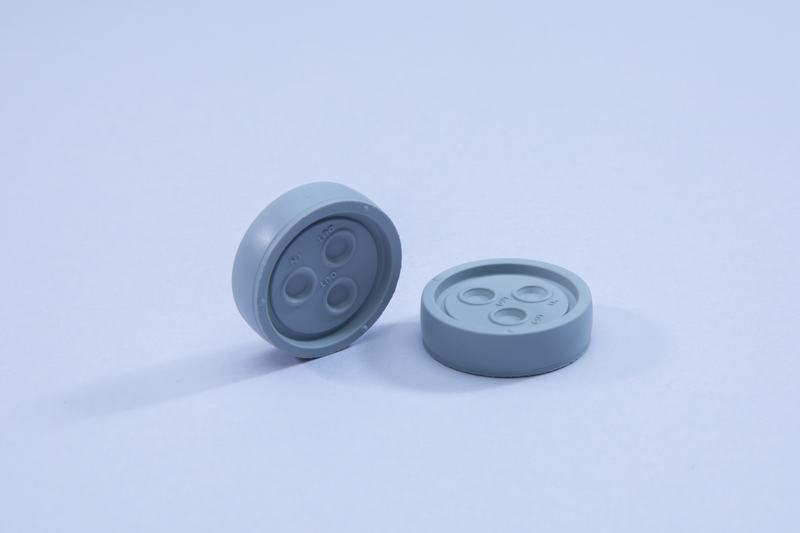
PP rubber discs are manufactured from polypropylene, a thermoplastic polymer known for its versatility and durability. These discs play a critical role in various medical applications, particularly in infusion systems, where they serve multiple functions including sealing, filtering, and providing a barrier against contamination.
The design of PP rubber discs allows for superior compatibility with various fluids and medications, making them an ideal choice for infusion systems. Their ability to withstand a wide range of temperatures and chemical exposures further enhances their applicability in medical settings.
3. The Importance of PP in Medical Applications
Polypropylene is increasingly becoming the material of choice in medical applications for several reasons:
- **Chemical Resistance**: PP exhibits excellent resistance to many chemicals and solvents, reducing the risk of material degradation.
- **Cost-Effectiveness**: Compared to other materials, PP is relatively inexpensive, making it a preferred option for large-scale manufacturing.
- **Lightweight Nature**: The lightweight characteristics of PP contribute to the overall efficiency and portability of medical devices.
- **Biocompatibility**: PP is generally recognized as safe for use in medical applications, posing minimal risk of adverse reactions when in contact with bodily fluids.
As infusion technologies become more advanced, the demand for materials like PP will continue to rise, emphasizing the importance of these rubber discs in ensuring patient safety and treatment efficacy.
4. Applications of PP Rubber Discs in Infusion Systems
PP rubber discs find diverse applications within medical infusion technologies, including:
4.1. Sealing Mechanisms
In infusion pumps, PP rubber discs are often used as seals to prevent leaks and ensure that the medication is delivered efficiently without contamination. Their excellent sealing properties also contribute to maintaining pressure integrity in infusion systems.
4.2. Filter Components
These discs can serve as filter elements within infusion devices, helping to trap particulates and prevent them from entering the patient's bloodstream. This filtration capability is crucial in ensuring that only sterile and safe fluids are administered.
4.3. Valving Systems
In certain infusion systems, PP rubber discs function as valve components that control the flow of fluids. Their precise design allows for accurate flow regulation, which is essential for administering medications at the correct dosage and timing.
4.4. Safety Caps
PP rubber discs are also utilized as safety caps for infusion bags and bottles, providing an additional layer of protection against contamination and ensuring that the contents remain sterile until use.
5. Advantages of Using PP Materials in Infusion Technologies
The utilization of PP rubber discs in medical infusion technologies presents numerous advantages:
5.1. Enhanced Durability
PP rubber discs are resistant to wear and tear, ensuring longevity and reliability in infusion systems. This durability translates to reduced maintenance costs and increased operational efficiency.
5.2. Improved Safety Standards
With stringent regulations governing medical equipment, the use of PP rubber discs ensures compliance with safety standards. Their biocompatibility and resistance to contamination significantly reduce the risk of infections and other complications.
5.3. Streamlined Manufacturing Processes
The versatility of PP allows for efficient manufacturing processes. These materials can be easily molded and shaped into various designs, facilitating rapid production of components tailored to specific medical applications.
5.4. Environmental Considerations
PP is a recyclable material, making it an eco-friendly option in medical manufacturing. As sustainability becomes a priority in healthcare, the use of recyclable materials like PP can contribute to reducing the environmental footprint of medical devices.
6. Future Trends in PP Rubber Discs
As the medical field continues to innovate, several trends are emerging related to the future of PP rubber discs in infusion technologies:
6.1. Integration of Smart Technologies
The incorporation of smart technologies into infusion systems is on the rise. Future PP rubber discs may integrate sensors that monitor fluid levels and medication delivery in real-time, improving patient outcomes.
6.2. Customization and Personalization
With advancements in manufacturing techniques, the ability to customize PP rubber discs according to specific medical requirements will become more prevalent. Tailored designs can enhance performance and meet the unique needs of various healthcare applications.
6.3. Enhanced Biocompatibility
Research is ongoing to improve the biocompatibility of PP materials. Future developments may lead to PP rubber discs that are even safer for sensitive patients, reducing the risk of allergic reactions or other complications.
6.4. Expansion into New Medical Applications
As the healthcare landscape evolves, the potential applications of PP rubber discs will expand beyond traditional infusion technologies, finding uses in areas such as wound care, drug delivery systems, and implantable devices.
7. Challenges and Solutions in the Use of PP Rubber Discs
While PP rubber discs offer several advantages, challenges remain in their use within medical infusion technologies:
7.1. Material Limitations
Despite its many benefits, PP can exhibit limitations in certain high-temperature applications. Ongoing research aims to develop modified versions of PP that can withstand higher thermal stresses.
7.2. Regulatory Hurdles
Navigating the regulatory landscape in healthcare can be complex. Manufacturers must ensure that their PP rubber discs meet all necessary standards, which can add time and cost to the development process.
7.3. Competition with Alternative Materials
As the demand for innovative materials grows, PP rubber discs face competition from other polymers and materials that may offer specific advantages. Continuous innovation is required to maintain PP's relevance in the medical field.
7.4. Addressing Environmental Concerns
While PP is recyclable, the healthcare industry must continue to focus on sustainable practices. Developing biodegradable alternatives or improving recycling processes for PP rubber discs will be essential for future environmental considerations.
8. Conclusion
The future of PP rubber discs in medical infusion technologies is promising, marked by innovations that enhance patient safety, improve treatment efficacy, and promote sustainable practices. As healthcare continues to evolve, the role of these versatile materials will become increasingly vital, paving the way for more efficient and effective medical solutions.
Continued research and development will ensure that PP rubber discs meet the demands of an ever-changing medical landscape, solidifying their position as indispensable components in infusion systems.
9. Frequently Asked Questions
Q1: What is the primary function of PP rubber discs in infusion systems?
A1: PP rubber discs primarily serve as seals, filters, and valving components in infusion systems, ensuring the safe and efficient delivery of fluids and medications.
Q2: Are PP rubber discs safe for medical use?
A2: Yes, PP rubber discs are biocompatible and generally recognized as safe for use in medical applications, posing minimal risk of adverse reactions.
Q3: Can PP rubber discs be customized for specific medical applications?
A3: Yes, advancements in manufacturing allow for the customization of PP rubber discs to meet the unique needs of various healthcare applications.
Q4: What are the environmental considerations regarding PP rubber discs?
A4: PP is a recyclable material, making it an eco-friendly choice. Ongoing efforts focus on improving recycling processes and developing biodegradable alternatives.
Q5: What trends are shaping the future of PP rubber discs in the medical field?
A5: Key trends include the integration of smart technologies, enhanced biocompatibility, and the expansion of applications beyond traditional infusion technologies.
In summary, as healthcare technology progresses, PP rubber discs will remain at the forefront of innovation, driving improvements in medical infusion systems and transforming patient care.

Tel: +86-0311-89197800
Hotline: +86 151 2277 7167
E-mail: inquiry1@desheng.net
Add:No. 518, Zhengding Technology Industrial Park, Shijiazhuang City, Hebei Province, China