

-

-
Exhibition


FIRST RUBBER
Why Rubber Plungers are Essential for Prefilled Syringe Reliability
Published:
Apr 01,2026
Classification:
Why Rubber Plungers are Essential for Prefilled Syringe Reliability
Introduction: The Importance of Prefilled Syringes in Modern Medicine
Prefilled syringes have become a cornerstone in the administration of medication, offering numerous advantages over traditional methods. These devices enhance patient safety, improve dosing accuracy, and reduce the risk of needle-stick injuries. However, the rel
Why Rubber Plungers are Essential for Prefilled Syringe Reliability
Introduction: The Importance of Prefilled Syringes in Modern Medicine
Prefilled syringes have become a cornerstone in the administration of medication, offering numerous advantages over traditional methods. These devices enhance patient safety, improve dosing accuracy, and reduce the risk of needle-stick injuries. However, the reliability of prefilled syringes hinges significantly on one critical component: the **rubber plunger**.
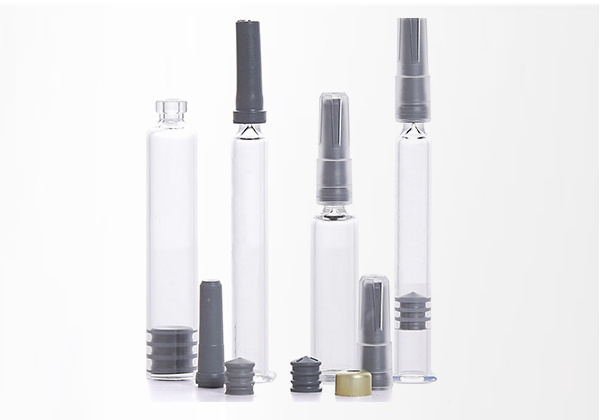
The Anatomy of a Prefilled Syringe
To understand the importance of rubber plungers, one must first grasp the structure and function of a prefilled syringe.
Key Components of a Prefilled Syringe
1. **Barrel**: The main body that holds the medication.
2. **Plunger Rod**: A cylindrical rod used to push the medication out of the barrel.
3. **Rubber Plunger**: This component creates a seal between the barrel and the plunger rod, ensuring no leakage occurs.
4. **Needle**: The point of delivery for the medication.
How Rubber Plungers Work
The rubber plunger functions through a simple yet effective mechanism. As the plunger rod is pushed down, the rubber material compresses, creating a tight seal against the barrel's inner walls. This prevents any backflow of the medication, ensuring that the correct dosage is delivered efficiently.
The Role of Rubber Plungers in Ensuring Reliability
The reliability of prefilled syringes is paramount for patient safety and treatment efficacy. Here’s why rubber plungers are essential in maintaining that reliability.
1. Creating an Effective Seal
A high-quality rubber plunger ensures an effective seal within the syringe. This seal prevents contamination and protects the medication from external factors, including air exposure and moisture. A compromised seal can lead to medication degradation, altering its effectiveness.
2. Consistency in Dosing
Precision is crucial in medical administration. Rubber plungers provide consistent performance, allowing for accurate dosing with every use. Inconsistent plunger performance can lead to under or overdosing, which can have serious health implications for patients.
3. Resistance to Chemical Reactions
Medical-grade rubber is designed to resist chemical interactions with the medication it contains. This characteristic is critical for maintaining the integrity of the drug, especially in prefilled syringes containing sensitive biologics or vaccines.
Material Properties of Rubber Plungers
The material composition of rubber plungers plays a significant role in their performance and reliability.
Types of Rubber Used in Plungers
1. **Natural Rubber**: Known for its excellent elasticity and resilience; however, it may not be suitable for all medications due to potential interaction.
2. **Synthetic Rubber**: Often preferred for medical applications due to its stability, resistance to chemicals, and lower risk of allergic reactions.
Durability and Longevity
Rubber plungers must withstand various conditions, including temperature fluctuations and mechanical stresses. High-quality synthetic rubbers are engineered to maintain their integrity over time, ensuring consistent performance throughout the shelf life of the prefilled syringe.
Design Considerations for Rubber Plungers
The design of rubber plungers is critical in enhancing the overall effectiveness of prefilled syringes.
1. Shape and Fit
The plunger's shape must ensure a snug fit within the barrel to prevent any leakage. Engineers often design plungers with specific geometries to achieve optimal performance.
2. Surface Texture
The surface texture of the rubber plunger can influence the ease of use. A smoother surface allows for effortless movement within the syringe, reducing the force needed for injection.
3. Compatibility with Syringe Materials
It’s essential to ensure that the rubber material of the plunger is compatible with the syringe barrel material, whether it’s glass or plastic. Incompatibility can lead to chemical leaching and compromised medication integrity.
Impact of Rubber Plungers on Patient Outcomes
The reliability of rubber plungers directly correlates with patient outcomes in various ways.
1. Enhanced Patient Safety
A reliable plunger reduces the risk of dosage errors, which can prevent adverse reactions and improve overall patient safety during medication administration.
2. Improved Treatment Efficacy
With consistent dosing, healthcare providers can ensure that patients receive the intended therapeutic effects of their medications, leading to better health outcomes.
3. Greater Patient Compliance
When patients feel confident in the accuracy and safety of their medication delivery systems, they are more likely to adhere to their treatment plans. Reliable prefilled syringes contribute to this trust.
Challenges in Rubber Plunger Manufacturing
Despite their essential role, manufacturing rubber plungers presents several challenges that must be addressed to maintain high quality.
1. Quality Control
Ensuring that each rubber plunger meets stringent quality standards is crucial. This requires rigorous testing for material integrity, performance, and safety.
2. Production Consistency
Variability in manufacturing processes can lead to inconsistent plunger performance. Implementing standardized processes and continuous monitoring can help mitigate these risks.
3. Regulatory Compliance
Manufacturers must adhere to strict regulatory guidelines when producing medical devices. This includes obtaining certifications and ensuring that all materials used are compliant with health and safety regulations.
Future Trends in Rubber Plunger Development
As technology advances, the future of rubber plungers in prefilled syringes looks promising.
1. Biocompatible Materials
Research is ongoing to develop new biocompatible materials that minimize the risk of allergic reactions while maintaining the necessary performance.
2. Smart Syringe Technologies
The integration of smart technology into prefilled syringes could enhance their functionality, providing real-time data on dosage delivery and improving patient safety.
3. Sustainable Practices
With an increased focus on sustainability, manufacturers are exploring environmentally friendly materials and production techniques to reduce their carbon footprint.
Conclusion: The Indispensable Role of Rubber Plungers in Healthcare
Rubber plungers are not merely a component of prefilled syringes; they are essential to the reliability, safety, and effectiveness of medication delivery systems. By creating a secure seal, ensuring consistent dosing, and resisting chemical interactions, rubber plungers play a pivotal role in modern medicine. As we continue to innovate and improve healthcare technologies, the importance of high-quality rubber plungers will remain paramount in enhancing patient outcomes and ensuring the safety of medical treatments.
FAQs
1. What is the primary function of rubber plungers in prefilled syringes?
Rubber plungers create a seal that prevents leakage and ensures accurate dosing when administering medication from prefilled syringes.
2. Are all rubber plungers made from the same material?
No, rubber plungers can be made from various materials, including natural and synthetic rubber, each with different properties and benefits.
3. How does the design of a rubber plunger affect its reliability?
The design, including shape, fit, and surface texture, directly influences how effectively the plunger seals the syringe and delivers medication.
4. Why is chemical resistance important for rubber plungers?
Chemical resistance ensures that the plunger does not interact with the medication, maintaining its integrity and effectiveness.
5. What future advancements can we expect in rubber plunger technology?
Future advancements may include the development of biocompatible materials, smart technologies for better tracking of medication delivery, and more sustainable manufacturing practices.

Tel: +86-0311-89197800
Hotline: +86 151 2277 7167
E-mail: inquiry1@desheng.net
Add:No. 518, Zhengding Technology Industrial Park, Shijiazhuang City, Hebei Province, China