




FIRST RUBBER
Understanding Rubber Conveyor Belts: Essential Insights for Industrial Applications
Published:
Apr 29,2025
Classification:
This article delves into the critical aspects of rubber conveyor belts, exploring their construction, benefits, applications, and maintenance. Ideal for professionals in the industrial equipment secto
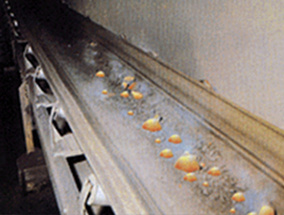
Rubber conveyor belts are an indispensable component in various industrial operations, serving as the backbone for transporting materials efficiently. These belts are constructed from a blend of rubber compounds, which ensures durability, flexibility, and resistance to wear and tear. Understanding the essential characteristics and benefits of rubber conveyor belts can significantly enhance your operational efficiency and productivity.
One of the most notable advantages of rubber conveyor belts is their high elasticity. This property allows them to accommodate different materials and varying load capacities without compromising performance. Whether it's for heavy-duty applications in mining or lighter uses in packaging, rubber conveyor belts adapt well, making them a versatile choice for numerous industries.
The construction of rubber conveyor belts typically involves multiple layers of fabric and rubber compounds, which provide strength and resistance to environmental factors. This layered design helps in minimizing the risk of damage during the transportation of materials. Moreover, the use of high-quality rubber enhances the belt's resistance to heat, chemicals, and abrasion, which is particularly important in industrial settings.
In terms of applications, rubber conveyor belts can be found across various sectors, including food processing, mining, and manufacturing. They are particularly effective in scenarios where materials need to be moved over long distances or across challenging terrains. Additionally, some specialized rubber belts are designed to meet food safety regulations, making them suitable for the food industry.
Maintenance plays a crucial role in the longevity and efficiency of rubber conveyor belts. Regular inspections for signs of wear, proper tension adjustments, and ensuring alignment are essential practices that can prolong the belt's lifespan. It is also advisable to clean the belts periodically to prevent material build-up, which can lead to operational inefficiencies.
Another key aspect to consider is the environmental impact of rubber conveyor belts. Many manufacturers are actively working on developing eco-friendly rubber materials that reduce the carbon footprint of industrial operations. By choosing rubber conveyor belts made from sustainable materials, companies can contribute to a greener future while enjoying the benefits of reliable material transport.
In conclusion, rubber conveyor belts are vital for streamlining industrial processes and improving productivity. Understanding their construction, benefits, applications, and maintenance requirements can help businesses make informed decisions, ultimately leading to enhanced operational efficiency. By considering these factors, companies can ensure they select the right rubber conveyor belt suited to their specific needs, thereby optimizing their material handling systems.
One of the most notable advantages of rubber conveyor belts is their high elasticity. This property allows them to accommodate different materials and varying load capacities without compromising performance. Whether it's for heavy-duty applications in mining or lighter uses in packaging, rubber conveyor belts adapt well, making them a versatile choice for numerous industries.
The construction of rubber conveyor belts typically involves multiple layers of fabric and rubber compounds, which provide strength and resistance to environmental factors. This layered design helps in minimizing the risk of damage during the transportation of materials. Moreover, the use of high-quality rubber enhances the belt's resistance to heat, chemicals, and abrasion, which is particularly important in industrial settings.
In terms of applications, rubber conveyor belts can be found across various sectors, including food processing, mining, and manufacturing. They are particularly effective in scenarios where materials need to be moved over long distances or across challenging terrains. Additionally, some specialized rubber belts are designed to meet food safety regulations, making them suitable for the food industry.
Maintenance plays a crucial role in the longevity and efficiency of rubber conveyor belts. Regular inspections for signs of wear, proper tension adjustments, and ensuring alignment are essential practices that can prolong the belt's lifespan. It is also advisable to clean the belts periodically to prevent material build-up, which can lead to operational inefficiencies.
Another key aspect to consider is the environmental impact of rubber conveyor belts. Many manufacturers are actively working on developing eco-friendly rubber materials that reduce the carbon footprint of industrial operations. By choosing rubber conveyor belts made from sustainable materials, companies can contribute to a greener future while enjoying the benefits of reliable material transport.
In conclusion, rubber conveyor belts are vital for streamlining industrial processes and improving productivity. Understanding their construction, benefits, applications, and maintenance requirements can help businesses make informed decisions, ultimately leading to enhanced operational efficiency. By considering these factors, companies can ensure they select the right rubber conveyor belt suited to their specific needs, thereby optimizing their material handling systems.

Tel: +86-0311-89197800
Hotline: +86 151 2277 7167
E-mail: inquiry1@desheng.net
Add:No. 518, Zhengding Technology Industrial Park, Shijiazhuang City, Hebei Province, China