




FIRST RUBBER
Understanding the Role of Slurry Pump Impellers in the Chemical and Rubber Industries
Published:
Apr 09,2025
Classification:
This article provides a comprehensive overview of slurry pump impellers, focusing on their significance in the chemical sector and the rubber manufacturing industry. It explores their design, function
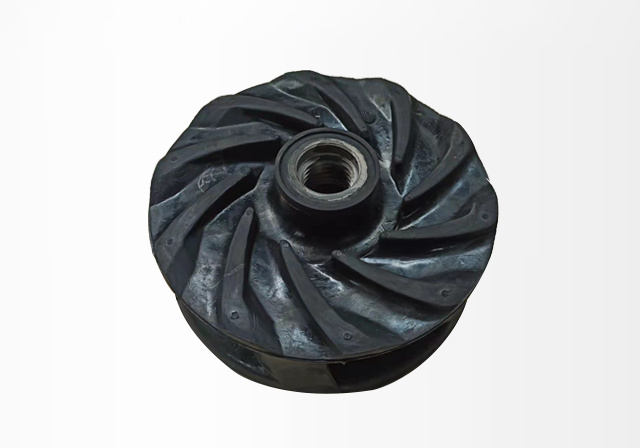
Slurry pump impellers are critical components in the transportation of abrasive and thick fluids, widely used in the chemical and rubber industries. Their primary function is to impart kinetic energy to the slurry, facilitating its movement through the pumping system. Understanding the design and operational principles of slurry pump impellers is essential for professionals working in sectors that deal with challenging materials.
The construction of slurry pump impellers typically involves robust materials capable of withstanding abrasive wear and corrosion. Common materials include high-chrome alloys and rubber compounds designed to endure the harsh conditions often found in chemical processes. The choice of material directly impacts the longevity and efficiency of the pump, making it crucial to select the right one for specific applications.
When it comes to design, slurry pump impellers come in various configurations, including open, semi-open, and closed types. Open impellers are often preferred for highly viscous slurries, as they provide better flow and less clogging. Conversely, closed impellers offer more efficiency and are suitable for less viscous fluids. The choice between these types depends on the specific requirements of the application, such as the characteristics of the slurry and the desired flow rate.
One significant aspect to consider is the hydraulic performance of a slurry pump impeller. This encompasses factors such as the impeller's diameter, the number of vanes, and the angle of the vanes, which all influence the efficiency of fluid movement. Optimizing these parameters can lead to improved energy efficiency and reduced operational costs. Regular monitoring and adjustments may be necessary to maintain peak performance.
Maintenance is another critical area where professionals must focus to ensure the longevity of slurry pump impellers. Regular inspection for wear and tear is vital, as even minor damage can lead to significant operational issues. Proper alignment and balancing of the impeller are essential to prevent excessive vibration, which can lead to premature failure.
In summary, slurry pump impellers play a pivotal role in the effective transportation of challenging materials within the chemical and rubber industries. Understanding their design, function, and maintenance is crucial for professionals looking to optimize their operations. By selecting the appropriate materials and designs and maintaining them effectively, companies can ensure the efficient movement of slurries, ultimately enhancing productivity and reducing costs.
The construction of slurry pump impellers typically involves robust materials capable of withstanding abrasive wear and corrosion. Common materials include high-chrome alloys and rubber compounds designed to endure the harsh conditions often found in chemical processes. The choice of material directly impacts the longevity and efficiency of the pump, making it crucial to select the right one for specific applications.
When it comes to design, slurry pump impellers come in various configurations, including open, semi-open, and closed types. Open impellers are often preferred for highly viscous slurries, as they provide better flow and less clogging. Conversely, closed impellers offer more efficiency and are suitable for less viscous fluids. The choice between these types depends on the specific requirements of the application, such as the characteristics of the slurry and the desired flow rate.
One significant aspect to consider is the hydraulic performance of a slurry pump impeller. This encompasses factors such as the impeller's diameter, the number of vanes, and the angle of the vanes, which all influence the efficiency of fluid movement. Optimizing these parameters can lead to improved energy efficiency and reduced operational costs. Regular monitoring and adjustments may be necessary to maintain peak performance.
Maintenance is another critical area where professionals must focus to ensure the longevity of slurry pump impellers. Regular inspection for wear and tear is vital, as even minor damage can lead to significant operational issues. Proper alignment and balancing of the impeller are essential to prevent excessive vibration, which can lead to premature failure.
In summary, slurry pump impellers play a pivotal role in the effective transportation of challenging materials within the chemical and rubber industries. Understanding their design, function, and maintenance is crucial for professionals looking to optimize their operations. By selecting the appropriate materials and designs and maintaining them effectively, companies can ensure the efficient movement of slurries, ultimately enhancing productivity and reducing costs.

Tel: +86-0311-89197800
Hotline: +86 151 2277 7167
E-mail: inquiry1@desheng.net
Add:No. 518, Zhengding Technology Industrial Park, Shijiazhuang City, Hebei Province, China