




FIRST RUBBER
Understanding Serum Stoppers: Essential Components in Pharmaceutical Packaging
Published:
Feb 18,2025
Classification:
Serum stoppers play a crucial role in ensuring the integrity and safety of pharmaceutical products. This article delves into the significance, types, and applications of serum stoppers in the medical
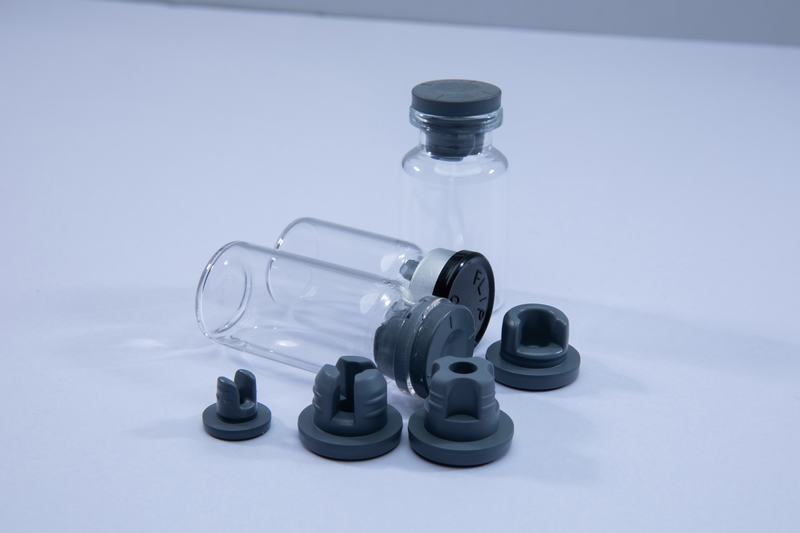
In the realm of pharmaceutical packaging, serum stoppers are indispensable components that provide a secure closure for vials and containers holding injectable medications, vaccines, and other biologics. These rubber or silicone stoppers create a hermetic seal that prevents contamination, maintains sterility, and protects the product from external environmental factors. Understanding their significance is essential for professionals in the medical and pharmaceutical sectors.
**Types of Serum Stoppers**
Serum stoppers come in various sizes, materials, and designs to meet specific requirements. The most common materials used include natural rubber, synthetic rubber, and silicone. Each type has its unique properties that cater to different pharmaceutical applications. For instance, silicone stoppers are known for their chemical resistance and low extractables, making them ideal for sensitive biologics. On the other hand, natural rubber stoppers can offer excellent sealing properties and are often chosen for general-purpose applications.
**Applications in the Pharmaceutical Industry**
Serum stoppers are primarily used in the packaging of injectable drugs, which require stringent safety and sterility standards. They are designed to withstand the pressures of sterilization processes, such as autoclaving, without compromising the integrity of the product inside. Additionally, serum stoppers allow for easy access to the vial contents through needles, making them user-friendly for healthcare professionals.
Moreover, the choice of serum stopper can influence the shelf life of a product. Stoppers that have been treated to reduce leachables and extractables can significantly minimize the risk of drug degradation, ensuring that the therapeutic efficacy of the medication remains intact over time.
**Challenges and Innovations**
While serum stoppers provide essential benefits, they also pose certain challenges. Compatibility with various drug formulations is a critical consideration, as certain medications may interact negatively with rubber components. To address this, the industry continuously innovates, developing new materials and designs that can meet the evolving demands of pharmaceutical production.
Furthermore, sustainability is becoming an increasingly important focus in the medical packaging sector. Manufacturers are exploring eco-friendly materials and recyclable options for serum stoppers to reduce the environmental impact associated with pharmaceutical packaging.
**Conclusion**
In summary, serum stoppers are vital to the pharmaceutical packaging landscape, ensuring the safety, sterility, and longevity of injectable medications. Their role extends beyond mere closure; they are engineered to protect vital drug formulations while facilitating ease of use for healthcare professionals. As the industry continues to innovate, the future of serum stoppers looks promising, with advancements aimed at improving compatibility, safety, and sustainability. Understanding these components is crucial for anyone involved in the medical and pharmaceutical fields, highlighting the importance of effective packaging in patient care.
**Types of Serum Stoppers**
Serum stoppers come in various sizes, materials, and designs to meet specific requirements. The most common materials used include natural rubber, synthetic rubber, and silicone. Each type has its unique properties that cater to different pharmaceutical applications. For instance, silicone stoppers are known for their chemical resistance and low extractables, making them ideal for sensitive biologics. On the other hand, natural rubber stoppers can offer excellent sealing properties and are often chosen for general-purpose applications.
**Applications in the Pharmaceutical Industry**
Serum stoppers are primarily used in the packaging of injectable drugs, which require stringent safety and sterility standards. They are designed to withstand the pressures of sterilization processes, such as autoclaving, without compromising the integrity of the product inside. Additionally, serum stoppers allow for easy access to the vial contents through needles, making them user-friendly for healthcare professionals.
Moreover, the choice of serum stopper can influence the shelf life of a product. Stoppers that have been treated to reduce leachables and extractables can significantly minimize the risk of drug degradation, ensuring that the therapeutic efficacy of the medication remains intact over time.
**Challenges and Innovations**
While serum stoppers provide essential benefits, they also pose certain challenges. Compatibility with various drug formulations is a critical consideration, as certain medications may interact negatively with rubber components. To address this, the industry continuously innovates, developing new materials and designs that can meet the evolving demands of pharmaceutical production.
Furthermore, sustainability is becoming an increasingly important focus in the medical packaging sector. Manufacturers are exploring eco-friendly materials and recyclable options for serum stoppers to reduce the environmental impact associated with pharmaceutical packaging.
**Conclusion**
In summary, serum stoppers are vital to the pharmaceutical packaging landscape, ensuring the safety, sterility, and longevity of injectable medications. Their role extends beyond mere closure; they are engineered to protect vital drug formulations while facilitating ease of use for healthcare professionals. As the industry continues to innovate, the future of serum stoppers looks promising, with advancements aimed at improving compatibility, safety, and sustainability. Understanding these components is crucial for anyone involved in the medical and pharmaceutical fields, highlighting the importance of effective packaging in patient care.

Tel: +86-0311-89197800
Hotline: +86 151 2277 7167
E-mail: inquiry1@desheng.net
Add:No. 518, Zhengding Technology Industrial Park, Shijiazhuang City, Hebei Province, China