




FIRST RUBBER
Understanding Slurry Pumps: Essential Equipment for Industrial Applications
Published:
Jan 19,2025
Classification:
Explore the world of slurry pumps, their functionality, and their vital role in various industrial sectors. Discover how these specialized pumps work and why they are indispensable for managing thick,
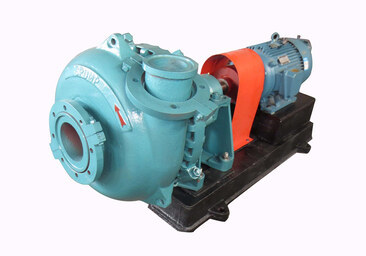
Slurry pumps are essential components in various industrial applications, specifically designed to handle the transportation of slurries—thick mixtures of liquids and solids. Unlike standard pumps that are typically used for clean fluids, slurry pumps are engineered to manage challenging materials that can include sand, coal, and other abrasive substances. This unique capability makes them crucial in industries such as mining, construction, and wastewater treatment.
The primary function of a slurry pump is to move these complex fluids from one location to another. This is achieved through a combination of centrifugal force and hydraulic principles. When the pump operates, an impeller spins rapidly, creating a low-pressure area that draws the slurry into the pump. As the slurry enters, the impeller's motion pushes it through the discharge pipeline. This efficient design minimizes wear and tear on the pump components, which is particularly important when dealing with abrasive materials.
One of the key features of slurry pumps is their robust construction. Given the harsh environments they often operate in, these pumps are typically made from high-quality materials that can withstand erosion and corrosion. Common materials include high-chrome iron, rubber-lined steel, and polymer composites. The choice of material is vital for ensuring durability and extending the pump's service life.
Slurry pumps also come in a variety of configurations, including horizontal and vertical designs. Horizontal slurry pumps are widely used due to their ease of maintenance and ability to handle larger volumes of slurry. On the other hand, vertical slurry pumps offer advantages in terms of space-saving and are often used in applications where the pump needs to be submerged in the slurry.
When selecting a slurry pump, several factors must be considered, such as the type of slurry, its temperature, viscosity, and the specific application requirements. Proper sizing and selection will ensure optimal performance and efficiency. Furthermore, regular maintenance is critical to prevent downtime and extend the lifespan of the pump. This includes routine checks of the impeller, seals, and other components to ensure they are functioning correctly.
In summary, slurry pumps play a vital role in the effective management of thick and abrasive fluids in various industrial processes. Their specialized design, robust materials, and ability to handle challenging environments make them indispensable in sectors that require the safe and efficient transport of slurries. Understanding the functionality and maintenance of slurry pumps can lead to better operational efficiencies and reduced costs in the long run. Whether in mining, construction, or wastewater management, slurry pumps are essential tools for success.
The primary function of a slurry pump is to move these complex fluids from one location to another. This is achieved through a combination of centrifugal force and hydraulic principles. When the pump operates, an impeller spins rapidly, creating a low-pressure area that draws the slurry into the pump. As the slurry enters, the impeller's motion pushes it through the discharge pipeline. This efficient design minimizes wear and tear on the pump components, which is particularly important when dealing with abrasive materials.
One of the key features of slurry pumps is their robust construction. Given the harsh environments they often operate in, these pumps are typically made from high-quality materials that can withstand erosion and corrosion. Common materials include high-chrome iron, rubber-lined steel, and polymer composites. The choice of material is vital for ensuring durability and extending the pump's service life.
Slurry pumps also come in a variety of configurations, including horizontal and vertical designs. Horizontal slurry pumps are widely used due to their ease of maintenance and ability to handle larger volumes of slurry. On the other hand, vertical slurry pumps offer advantages in terms of space-saving and are often used in applications where the pump needs to be submerged in the slurry.
When selecting a slurry pump, several factors must be considered, such as the type of slurry, its temperature, viscosity, and the specific application requirements. Proper sizing and selection will ensure optimal performance and efficiency. Furthermore, regular maintenance is critical to prevent downtime and extend the lifespan of the pump. This includes routine checks of the impeller, seals, and other components to ensure they are functioning correctly.
In summary, slurry pumps play a vital role in the effective management of thick and abrasive fluids in various industrial processes. Their specialized design, robust materials, and ability to handle challenging environments make them indispensable in sectors that require the safe and efficient transport of slurries. Understanding the functionality and maintenance of slurry pumps can lead to better operational efficiencies and reduced costs in the long run. Whether in mining, construction, or wastewater management, slurry pumps are essential tools for success.

Tel: +86-0311-89197800
Hotline: +86 151 2277 7167
E-mail: inquiry1@desheng.net
Add:No. 518, Zhengding Technology Industrial Park, Shijiazhuang City, Hebei Province, China