




FIRST RUBBER
Why Rubber Stoppers Are Essential in Pharmaceutical Packaging
Published:
Jan 04,2025
Classification:
Discover the critical role rubber stoppers play in pharmaceutical packaging. This comprehensive guide explores their importance in maintaining drug integrity, ensuring safety, and providing cost-effec
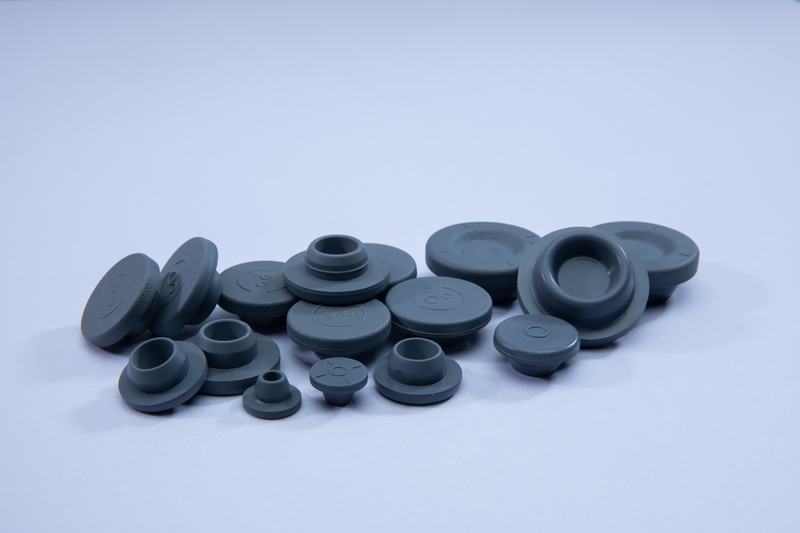
Why Rubber Stoppers Are Essential in Pharmaceutical Packaging
Table of Contents
- Introduction to Rubber Stoppers in Pharmaceutical Packaging
- The Importance of Rubber Stoppers in Drug Safety
- Types of Rubber Stoppers Used in Pharmaceuticals
- Materials Used in Pharmaceutical Rubber Stoppers
- Benefits of Using Rubber Stoppers in Pharmaceutical Packaging
- Industry Standards and Regulations for Rubber Stoppers
- Best Practices for Choosing and Using Rubber Stoppers
- The Future of Rubber Stoppers in Pharmaceutical Packaging
- Frequently Asked Questions
- Conclusion
Introduction to Rubber Stoppers in Pharmaceutical Packaging
In the complex world of pharmaceutical packaging, ensuring the integrity and safety of medications is paramount. One of the unsung heroes of this process is the rubber stopper. These small yet critical components are vital for sealing vials, syringes, and other containers, preventing contamination and maintaining sterility. In this article, we will delve into why rubber stoppers are essential in pharmaceutical packaging, exploring their various types, benefits, and best practices.
The Importance of Rubber Stoppers in Drug Safety
Rubber stoppers serve multiple critical functions in pharmaceutical packaging. They are designed to create an airtight seal that protects the contents from external elements such as moisture, air, and microbes. This is particularly important for pharmaceuticals that require strict adherence to sterility and integrity.
1. **Prevention of Contamination:** Rubber stoppers provide a barrier that prevents contaminants from entering the container. This is essential for injectable drugs and sensitive biologics.
2. **Maintaining Drug Stability:** Some medications are sensitive to light and air, which can lead to degradation. Rubber stoppers help maintain the stability and efficacy of these substances by providing an effective seal.
3. **Compliance with Regulations:** Regulatory bodies like the FDA have stringent requirements for pharmaceutical packaging. Using high-quality rubber stoppers ensures compliance with these regulations, safeguarding public health.
Types of Rubber Stoppers Used in Pharmaceuticals
In the pharmaceutical industry, various types of rubber stoppers are utilized based on specific needs and applications. Here are some commonly used types:
1. **Standard Rubber Stoppers:** These are commonly used for vials and have a simple design. They are effective for sealing liquids and powders.
2. **Silicone Stoppers:** Silicone rubber stoppers offer superior resistance to chemicals and high temperatures, making them suitable for a variety of pharmaceutical applications.
3. **Bromobutyl Stoppers:** Known for their excellent resealability and low permeability to gases, bromobutyl stoppers are often used for sensitive biologics.
4. **Butyl Rubber Stoppers:** These are favored for their compatibility with a wide range of pharmaceuticals and are often used in the production of prefilled syringes.
5. **Natural Rubber Stoppers:** These are typically used for non-sterile applications and may not be suitable for all pharmaceutical products due to their potential for contamination.
Materials Used in Pharmaceutical Rubber Stoppers
The materials used in rubber stoppers are critical in determining performance and safety. Here are some of the most commonly used materials:
1. **Natural Rubber:** Although it offers good elasticity and sealing properties, it may not be suitable for all pharmaceuticals due to potential allergenic properties.
2. **Synthetic Rubber:** This includes materials such as butyl rubber and bromobutyl rubber, which are resistant to many chemicals and provide excellent sealing properties.
3. **Silicone:** Known for its thermal stability and flexibility, silicone is often used in applications that require high purity and resistance to high temperatures.
4. **Thermoplastic Elastomers (TPE):** These materials offer the flexibility of rubber with the processing advantages of plastics, making them an innovative choice for some applications.
Benefits of Using Rubber Stoppers in Pharmaceutical Packaging
The use of rubber stoppers in pharmaceutical packaging comes with a plethora of benefits:
1. **Enhanced Safety:** By providing a reliable seal, rubber stoppers minimize the risk of contamination, thereby enhancing the safety of pharmaceutical products.
2. **Cost-Effectiveness:** Rubber stoppers are generally cost-effective compared to other sealing mechanisms, making them a popular choice for manufacturers.
3. **Versatility:** With various types and materials available, rubber stoppers can be used in a wide range of applications, from vials to syringes.
4. **Regulatory Compliance:** Using high-quality rubber stoppers ensures that pharmaceutical manufacturers meet the stringent guidelines set by regulatory authorities.
5. **Customizability:** Rubber stoppers can be customized to fit specific containers and applications, allowing for greater flexibility in packaging solutions.
Industry Standards and Regulations for Rubber Stoppers
The pharmaceutical industry is heavily regulated, and rubber stoppers must adhere to various standards to ensure safety and efficacy. Some of the key regulatory considerations include:
1. **ISO 15378:** This standard outlines the requirements for quality management systems specific to primary packaging materials for medicinal products.
2. **FDA Guidelines:** The U.S. Food and Drug Administration has specific guidelines regarding the materials and manufacturing processes for rubber stoppers used in pharmaceuticals.
3. **USP Standards:** The United States Pharmacopeia sets forth standards to ensure that pharmaceutical products meet quality and safety requirements.
4. **EU Regulations:** In Europe, rubber stoppers must comply with regulations such as the European Pharmacopoeia, which sets quality standards for medicines and their components.
Best Practices for Choosing and Using Rubber Stoppers
Selecting the right rubber stoppers and employing best practices during their use is crucial for maintaining the quality and integrity of pharmaceutical products. Here are some recommendations:
1. **Assess Compatibility:** Always assess the compatibility of the rubber stopper material with the drug formulation to prevent reactions that could compromise efficacy.
2. **Choose Quality Suppliers:** Work with reputable suppliers who provide high-quality rubber stoppers that meet industry standards and regulations.
3. **Conduct Stability Testing:** Before finalizing your packaging process, conduct stability testing to ensure that the rubber stopper maintains the integrity of the pharmaceutical product over time.
4. **Implement Proper Handling Procedures:** Train personnel on the proper handling and application of rubber stoppers to minimize the risk of contamination during the packaging process.
5. **Stay Updated on Regulations:** Regularly review and stay informed about changes in regulations and standards pertaining to pharmaceutical packaging materials.
The Future of Rubber Stoppers in Pharmaceutical Packaging
As the pharmaceutical industry continues to evolve, so do the materials and technologies used in packaging. Innovations in rubber stopper design and manufacturing processes are expected to enhance their performance in the coming years.
1. **Eco-Friendly Alternatives:** There is a growing trend towards sustainable packaging, and the development of biodegradable rubber stoppers could become a reality.
2. **Smart Packaging Solutions:** The integration of technology into packaging, such as QR codes or sensors embedded in rubber stoppers, may provide real-time data on the product's condition.
3. **Advancements in Materials Science:** Ongoing research in materials science may yield new types of rubber with improved properties, such as enhanced sealability or reduced permeability.
Frequently Asked Questions
1. What are the main functions of rubber stoppers in pharmaceutical packaging?
Rubber stoppers primarily serve to seal containers, preventing contamination, maintaining drug stability, and ensuring compliance with regulatory standards.
2. Are there different types of rubber stoppers used in pharmaceuticals?
Yes, commonly used types include standard rubber stoppers, silicone stoppers, bromobutyl stoppers, butyl rubber stoppers, and natural rubber stoppers, each with specific applications.
3. How do I choose the right rubber stopper for my pharmaceutical product?
Consider the compatibility of the stopper material with your drug formulation, the required sealing properties, and compliance with industry standards when choosing rubber stoppers.
4. What regulatory standards apply to rubber stoppers in pharmaceutical packaging?
Key regulatory standards include ISO 15378, FDA guidelines, USP standards, and EU regulations that ensure the quality and safety of pharmaceutical packaging materials.
5. Can rubber stoppers be customized for specific applications?
Yes, rubber stoppers can be customized based on the container's size, shape, and material requirements to meet specific pharmaceutical packaging needs.
Conclusion
Rubber stoppers play a vital role in the pharmaceutical packaging industry, ensuring the safety and efficacy of medications. By preventing contamination, maintaining drug stability, and complying with regulatory guidelines, they contribute significantly to public health. As technology and materials science evolve, the future of rubber stoppers looks promising, paving the way for innovations that will further enhance their functionality. By understanding their importance and implementing best practices, pharmaceutical manufacturers can ensure the integrity of their products and ultimately provide safer medications to consumers.

Tel: +86-0311-89197800
Hotline: +86 151 2277 7167
E-mail: inquiry1@desheng.net
Add:No. 518, Zhengding Technology Industrial Park, Shijiazhuang City, Hebei Province, China