




FIRST RUBBER
Understanding the Importance of Rubber Plungers in Medical Packaging
Published:
Nov 30,2024
Classification:
Discover how rubber plungers play a vital role in the medical packaging industry, ensuring safety and efficacy in drug delivery systems.
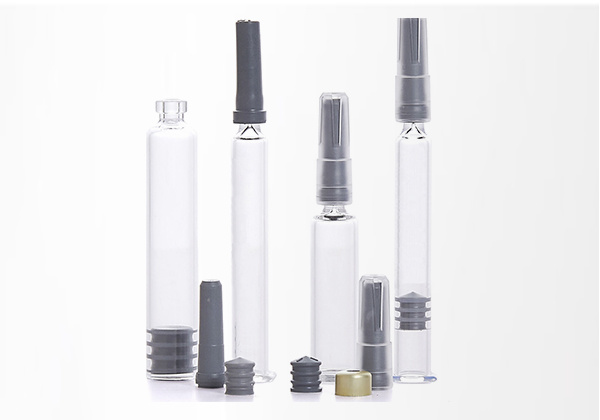
Rubber plungers are essential components in various applications, particularly in the medical packaging sector. Their primary function is to create a tight seal within syringes and other dispensing devices, which is crucial for maintaining the integrity of the contents they hold. In the context of pharmaceutical packaging, rubber plungers are often used in prefilled syringes and vials, offering a reliable way to dispense medication while minimizing contamination risks.
One of the key features of rubber plungers is their ability to provide a secure barrier against external elements. When used in prefilled syringes, for example, the rubber plunger ensures that the drug remains uncontaminated until it is ready to be administered. This is particularly important for sensitive medications that may degrade or lose efficacy if exposed to air, moisture, or other environmental factors.
Furthermore, the elasticity of rubber allows for precise dosing. When the plunger is pressed down, it creates a vacuum that draws the medication into the syringe. This action not only facilitates accurate dosage but also enhances the user experience by providing a smooth, controlled application. In the healthcare field, where exact dosages are paramount, the reliability of rubber plungers cannot be overstated.
In addition to their practical applications, rubber plungers also contribute to the overall safety of medical products. The materials used in manufacturing these plungers are designed to meet stringent healthcare standards, ensuring that they do not interact negatively with the medications they contain. This is vital for patient safety, as any undesired chemical reaction could lead to adverse effects.
Moreover, the production of rubber plungers often involves advanced processes to achieve the desired characteristics such as durability, flexibility, and chemical resistance. Manufacturers invest in research and development to create plungers that can withstand a range of temperatures and pressures, making them suitable for various medical environments.
As the healthcare industry continues to evolve, the importance of rubber plungers in medical packaging remains clear. They are a small yet critical component that contributes significantly to the efficacy, safety, and user-friendliness of drug delivery systems. Understanding their role can help healthcare professionals and packaging specialists appreciate the intricate design and manufacturing processes involved in ensuring that patient care remains at the forefront of medical advancements.
In conclusion, rubber plungers are indispensable in the realm of medical packaging. Their ability to maintain the integrity of medications, ensure accurate dosing, and enhance safety reflects their crucial place in the healthcare industry. As we look to the future, ongoing innovation in this area will continue to improve healthcare delivery and patient outcomes.
One of the key features of rubber plungers is their ability to provide a secure barrier against external elements. When used in prefilled syringes, for example, the rubber plunger ensures that the drug remains uncontaminated until it is ready to be administered. This is particularly important for sensitive medications that may degrade or lose efficacy if exposed to air, moisture, or other environmental factors.
Furthermore, the elasticity of rubber allows for precise dosing. When the plunger is pressed down, it creates a vacuum that draws the medication into the syringe. This action not only facilitates accurate dosage but also enhances the user experience by providing a smooth, controlled application. In the healthcare field, where exact dosages are paramount, the reliability of rubber plungers cannot be overstated.
In addition to their practical applications, rubber plungers also contribute to the overall safety of medical products. The materials used in manufacturing these plungers are designed to meet stringent healthcare standards, ensuring that they do not interact negatively with the medications they contain. This is vital for patient safety, as any undesired chemical reaction could lead to adverse effects.
Moreover, the production of rubber plungers often involves advanced processes to achieve the desired characteristics such as durability, flexibility, and chemical resistance. Manufacturers invest in research and development to create plungers that can withstand a range of temperatures and pressures, making them suitable for various medical environments.
As the healthcare industry continues to evolve, the importance of rubber plungers in medical packaging remains clear. They are a small yet critical component that contributes significantly to the efficacy, safety, and user-friendliness of drug delivery systems. Understanding their role can help healthcare professionals and packaging specialists appreciate the intricate design and manufacturing processes involved in ensuring that patient care remains at the forefront of medical advancements.
In conclusion, rubber plungers are indispensable in the realm of medical packaging. Their ability to maintain the integrity of medications, ensure accurate dosing, and enhance safety reflects their crucial place in the healthcare industry. As we look to the future, ongoing innovation in this area will continue to improve healthcare delivery and patient outcomes.

Tel: +86-0311-89197800
Hotline: +86 151 2277 7167
E-mail: inquiry1@desheng.net
Add:No. 518, Zhengding Technology Industrial Park, Shijiazhuang City, Hebei Province, China