




FIRST RUBBER
Understanding Rubber Conveyor Belts: Essential Components for Efficient Industrial Operations
Published:
Oct 11,2024
Classification:
Rubber conveyor belts play a crucial role in various industrial applications by facilitating the smooth transportation of materials. This article explores the features, benefits, and applications of r
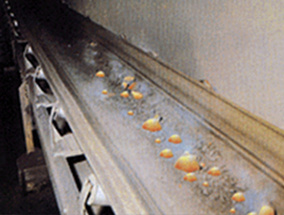
Rubber conveyor belts are a vital component in many industrial operations, serving as the backbone for material handling and transportation systems. These belts are designed to withstand the rigors of heavy loads, environmental challenges, and continuous use, making them an essential choice for various industries.
One of the primary advantages of rubber conveyor belts is their versatility. They can be manufactured in different sizes, thicknesses, and configurations to suit specific material handling needs. This adaptability allows them to transport a wide range of materials, from light packages to heavy bulk loads. Furthermore, rubber conveyor belts can be customized with various surface textures, such as rough or smooth finishes, to enhance grip and minimize the risk of slippage during operation.
Durability is another key feature of rubber conveyor belts. They are constructed from high-quality rubber compounds that provide excellent resistance to wear and tear, as well as exposure to harsh environmental conditions. This durability translates to longer service life and reduced maintenance costs, which is particularly beneficial in high-demand industrial settings.
The benefits of rubber conveyor belts extend beyond durability and versatility. Their flexibility allows them to operate effectively on inclines and declines, making them ideal for transporting materials across varying elevations. Additionally, these belts are capable of functioning at different speeds, enabling efficient and precise material handling tailored to specific operational requirements.
Rubber conveyor belts also contribute to improved safety in the workplace. The materials used in their construction can be designed to be fire-resistant and anti-static, reducing the risk of accidents associated with flammable or electrically conductive materials. Furthermore, the smooth operation of these belts minimizes the chances of material spillage, enhancing overall workplace safety and operational efficiency.
In summary, rubber conveyor belts are indispensable components in the realm of industrial equipment. Their adaptability, durability, and safety features make them an ideal choice for a wide range of applications, from manufacturing and logistics to mining and agriculture. By understanding the key characteristics and benefits of rubber conveyor belts, professionals in the industrial sector can make informed decisions that enhance productivity and operational efficiency in their organizations. Whether you are looking to optimize existing systems or implement new material handling solutions, rubber conveyor belts are a reliable and effective choice in industrial operations.
One of the primary advantages of rubber conveyor belts is their versatility. They can be manufactured in different sizes, thicknesses, and configurations to suit specific material handling needs. This adaptability allows them to transport a wide range of materials, from light packages to heavy bulk loads. Furthermore, rubber conveyor belts can be customized with various surface textures, such as rough or smooth finishes, to enhance grip and minimize the risk of slippage during operation.
Durability is another key feature of rubber conveyor belts. They are constructed from high-quality rubber compounds that provide excellent resistance to wear and tear, as well as exposure to harsh environmental conditions. This durability translates to longer service life and reduced maintenance costs, which is particularly beneficial in high-demand industrial settings.
The benefits of rubber conveyor belts extend beyond durability and versatility. Their flexibility allows them to operate effectively on inclines and declines, making them ideal for transporting materials across varying elevations. Additionally, these belts are capable of functioning at different speeds, enabling efficient and precise material handling tailored to specific operational requirements.
Rubber conveyor belts also contribute to improved safety in the workplace. The materials used in their construction can be designed to be fire-resistant and anti-static, reducing the risk of accidents associated with flammable or electrically conductive materials. Furthermore, the smooth operation of these belts minimizes the chances of material spillage, enhancing overall workplace safety and operational efficiency.
In summary, rubber conveyor belts are indispensable components in the realm of industrial equipment. Their adaptability, durability, and safety features make them an ideal choice for a wide range of applications, from manufacturing and logistics to mining and agriculture. By understanding the key characteristics and benefits of rubber conveyor belts, professionals in the industrial sector can make informed decisions that enhance productivity and operational efficiency in their organizations. Whether you are looking to optimize existing systems or implement new material handling solutions, rubber conveyor belts are a reliable and effective choice in industrial operations.

Tel: +86-0311-89197800
Hotline: +86 151 2277 7167
E-mail: inquiry1@desheng.net
Add:No. 518, Zhengding Technology Industrial Park, Shijiazhuang City, Hebei Province, China