




FIRST RUBBER
Understanding Slurry Pump Impellers: A Key Component in Chemical and Rubber Applications
Published:
Sep 11,2024
Classification:
This article explores the essential role of slurry pump impellers in the chemical and rubber industries, focusing on their design features, operational efficiency, and maintenance practices to enhance
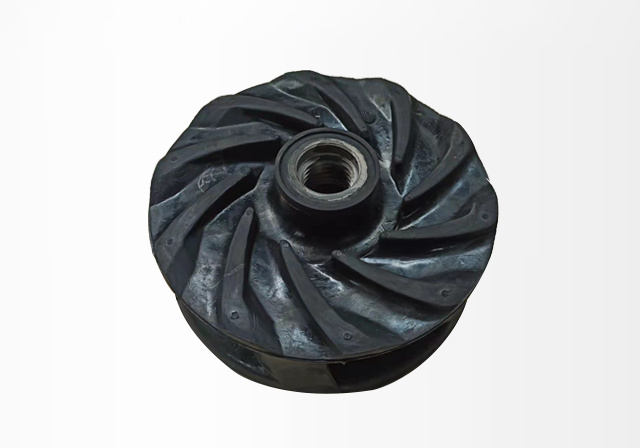
In the realm of chemical processing and rubber manufacturing, slurry pumps play a crucial role in transporting viscous mixtures of solids and liquids. A key component of these pumps is the impeller, which significantly influences the efficiency and effectiveness of the pumping system. Understanding slurry pump impellers can help you optimize operations and ensure reliability in your processes.
**What is a Slurry Pump Impeller?**
The impeller is the rotating part of a slurry pump that imparts kinetic energy to the slurry, allowing it to flow through the pump and into the desired destination. This component is typically designed with blades that facilitate the movement of thick, abrasive slurries, which are common in chemical and rubber production processes. The geometry, material, and design of the impeller are crucial for achieving optimal pump performance.
**Design Considerations**
When it comes to slurry pump impellers, several design factors must be considered. Firstly, the impeller should be constructed from durable materials capable of withstanding the abrasive nature of slurries. Common materials include high-chrome alloys and elastomers that resist wear and corrosion. The shape of the impeller also matters; a properly designed impeller can minimize turbulence and maximize flow efficiency.
Additionally, the specific application dictates the impeller’s configuration. For instance, open impellers are suitable for slurries with larger solids, while closed impellers are better for finer particles and can provide higher efficiencies. The choice of impeller design directly impacts the pump’s operational capacity and longevity.
**Operational Efficiency**
The performance of a slurry pump is largely dependent on the impeller’s ability to manage the flow of material efficiently. An effective impeller design will ensure that the slurry is moved with minimal energy loss, which is essential in chemical processes where every joule of energy counts. Furthermore, the pump's operational speed and the type of slurry being pumped will also affect how well the impeller performs. Regular monitoring and adjustments may be required to maintain optimal flow rates and pressure levels.
**Maintenance Practices**
To prolong the life of a slurry pump impeller, regular maintenance is crucial. This includes routine inspections for wear and tear, as well as ensuring that the pump operates under the right conditions. Proper maintenance can help identify any potential issues before they escalate, ensuring a more reliable and efficient pumping operation.
In summary, slurry pump impellers are vital components in the chemical and rubber industries, influencing both the efficiency and effectiveness of slurry transport. Understanding their design, operational efficiency, and maintenance can lead to improved performance and longevity of pumping systems, ultimately benefiting your operations.
**What is a Slurry Pump Impeller?**
The impeller is the rotating part of a slurry pump that imparts kinetic energy to the slurry, allowing it to flow through the pump and into the desired destination. This component is typically designed with blades that facilitate the movement of thick, abrasive slurries, which are common in chemical and rubber production processes. The geometry, material, and design of the impeller are crucial for achieving optimal pump performance.
**Design Considerations**
When it comes to slurry pump impellers, several design factors must be considered. Firstly, the impeller should be constructed from durable materials capable of withstanding the abrasive nature of slurries. Common materials include high-chrome alloys and elastomers that resist wear and corrosion. The shape of the impeller also matters; a properly designed impeller can minimize turbulence and maximize flow efficiency.
Additionally, the specific application dictates the impeller’s configuration. For instance, open impellers are suitable for slurries with larger solids, while closed impellers are better for finer particles and can provide higher efficiencies. The choice of impeller design directly impacts the pump’s operational capacity and longevity.
**Operational Efficiency**
The performance of a slurry pump is largely dependent on the impeller’s ability to manage the flow of material efficiently. An effective impeller design will ensure that the slurry is moved with minimal energy loss, which is essential in chemical processes where every joule of energy counts. Furthermore, the pump's operational speed and the type of slurry being pumped will also affect how well the impeller performs. Regular monitoring and adjustments may be required to maintain optimal flow rates and pressure levels.
**Maintenance Practices**
To prolong the life of a slurry pump impeller, regular maintenance is crucial. This includes routine inspections for wear and tear, as well as ensuring that the pump operates under the right conditions. Proper maintenance can help identify any potential issues before they escalate, ensuring a more reliable and efficient pumping operation.
In summary, slurry pump impellers are vital components in the chemical and rubber industries, influencing both the efficiency and effectiveness of slurry transport. Understanding their design, operational efficiency, and maintenance can lead to improved performance and longevity of pumping systems, ultimately benefiting your operations.

Tel: +86-0311-89197800
Hotline: +86 151 2277 7167
E-mail: inquiry1@desheng.net
Add:No. 518, Zhengding Technology Industrial Park, Shijiazhuang City, Hebei Province, China