

-

-
Exhibition


FIRST RUBBER
Innovative Solutions for Vaccine Bottle Sealing: Ensuring Safety and Efficacy
Published:
Jul 30,2024
Classification:
Explore groundbreaking sealing technologies for vaccine bottles that enhance safety, maintain efficacy, and meet stringent healthcare regulations. This comprehensive guide delves into the latest innov
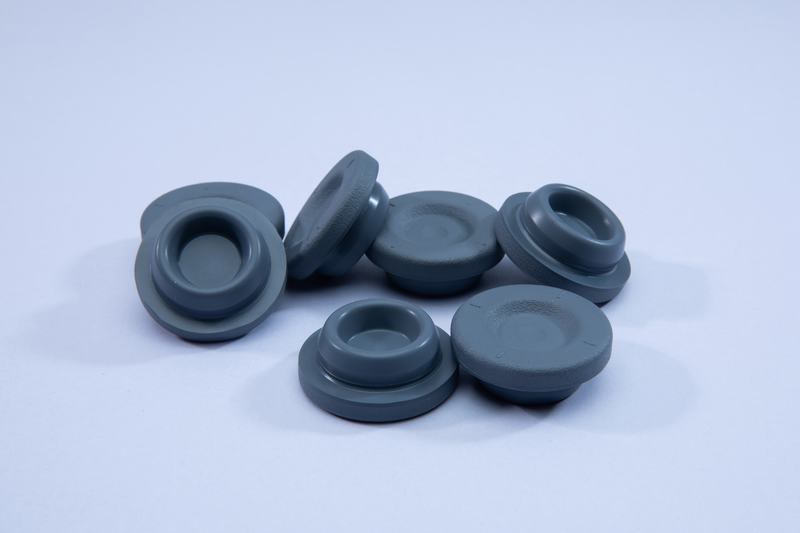
Innovative Solutions for Vaccine Bottle Sealing: Ensuring Safety and Efficacy
Table of Contents
- Introduction to Vaccine Bottle Sealing
- The Importance of Effective Vaccine Sealing
- Challenges in Vaccine Bottle Sealing
- Innovative Technologies in Vaccine Bottle Sealing
- Materials Used in Vaccine Bottle Sealing
- Regulatory Compliance and Quality Assurance
- Case Studies of Successful Sealing Solutions
- Future Trends in Vaccine Bottle Sealing
- Frequently Asked Questions
- Conclusion
Introduction to Vaccine Bottle Sealing
Vaccines are a critical component of public health, providing immunity against various diseases. The integrity of vaccine formulations depends significantly on effective sealing methods employed in packaging. **Innovative solutions for vaccine bottle sealing** ensure that vaccines remain uncontaminated and maintain their efficacy throughout their shelf life. This article explores the latest advancements in sealing technologies, the materials used, and the regulatory frameworks governing vaccine packaging.
The Importance of Effective Vaccine Sealing
Effective vaccine sealing is paramount for several reasons:
1. Prevention of Contamination
Vacuum sealing and tamper-evident closures help prevent microbial contamination, ensuring that the vaccine remains pure and effective.
2. Preservation of Efficacy
Proper seals protect the vaccine from environmental factors such as light, temperature fluctuations, and moisture that can degrade active ingredients.
3. Compliance with Regulations
Pharmaceutical companies must adhere to stringent regulations concerning vaccine packaging. Effective sealing plays a crucial role in compliance with these standards.
Challenges in Vaccine Bottle Sealing
Despite advancements, several challenges persist in vaccine bottle sealing:
1. Compatibility with Various Vaccine Formulations
Vaccine formulations can vary widely in terms of viscosity and chemical composition, making it challenging to find a one-size-fits-all sealing solution.
2. Scalability of Manufacturing Processes
Scaling up production while maintaining the quality and integrity of sealing processes poses a significant challenge for manufacturers.
3. Environmental Concerns
Sustainable packaging solutions are increasingly demanded, yet many traditional sealing methods rely on non-biodegradable materials.
Innovative Technologies in Vaccine Bottle Sealing
Recent innovations have transformed the landscape of vaccine bottle sealing:
1. Smart Sealing Technologies
Integration of sensors in sealing solutions allows for real-time monitoring of environmental conditions, ensuring that vaccines are stored under optimal conditions.
2. Advanced Adhesives and Liners
The development of high-performance adhesives and liners enhances the integrity of seals, providing enhanced barrier properties against moisture and oxygen.
3. Tamper-Evident and Child-Resistant Features
Incorporating tamper-evident features into seals not only enhances safety but also boosts consumer confidence in vaccine integrity.
4. Biodegradable and Sustainable Materials
Innovative packaging solutions made from biodegradable materials are gaining traction, addressing environmental concerns while offering effective sealing capabilities.
Materials Used in Vaccine Bottle Sealing
The choice of materials is critical for effective vaccine bottle sealing:
1. Glass vs. Plastic Bottles
Glass bottles offer superior barrier properties and are preferred for many vaccines; however, lightweight plastic bottles are becoming increasingly popular due to their convenience.
2. Sealing Liners and Gaskets
Materials such as silicone and PTFE (Polytetrafluoroethylene) are commonly used for sealing liners, providing effective barriers against contaminants.
3. Coatings and Treatments
Advanced coatings and surface treatments enhance the performance of sealing materials, improving their resistance to moisture and chemical exposure.
Regulatory Compliance and Quality Assurance
Compliance with international and regional regulations is essential for vaccine packaging. The World Health Organization (WHO) and the U.S. Food and Drug Administration (FDA) set stringent guidelines for vaccine storage and transport. Companies must conduct rigorous quality assurance tests to ensure their sealing solutions meet these standards.
1. Good Manufacturing Practices (GMP)
Adhering to GMP ensures that packaging processes are consistent and controlled, reducing the risk of contamination.
2. Validation and Testing
Comprehensive testing of sealing methods, including stress tests and shelf-life studies, is crucial for ensuring the reliability of vaccine packaging.
Case Studies of Successful Sealing Solutions
Several companies have pioneered innovative solutions in vaccine bottle sealing:
1. Company A: Smart Sealing Technology
Company A implemented a smart sealing system with integrated sensors, significantly reducing spoilage rates during transportation.
2. Company B: Sustainable Packaging
Company B developed a biodegradable seal made from plant-based materials, successfully minimizing environmental impact without compromising vaccine safety.
3. Company C: Advanced Adhesive Solutions
By utilizing high-performance adhesives, Company C enhanced the sealing integrity of their vaccine bottles, leading to improved shelf stability.
Future Trends in Vaccine Bottle Sealing
As the healthcare industry continues to evolve, several trends are likely to shape the future of vaccine bottle sealing:
1. Increased Focus on Sustainability
With environmental concerns rising, vaccine manufacturers will increasingly seek sustainable sealing solutions that minimize waste.
2. Enhanced Customization
The ability to customize sealing solutions based on specific vaccine formulations will become a crucial factor for manufacturers.
3. Integration of AI and Automation
Automation and AI technologies will enhance production efficiency, ensuring consistent quality in sealing processes.
Frequently Asked Questions
1. What materials are commonly used for vaccine bottle seals?
Vaccine bottle seals are typically made from materials such as silicone, PTFE, and various high-performance adhesives. Glass and plastic bottles are also used, depending on the vaccine formulation.
2. Why is sealing important for vaccines?
Effective sealing prevents contamination, preserves the efficacy of the vaccine, and ensures compliance with regulatory standards.
3. How do smart sealing technologies work?
Smart sealing technologies integrate sensors that monitor environmental conditions, providing real-time data to ensure vaccines are stored under optimal conditions.
4. What are the regulatory requirements for vaccine packaging?
Regulatory bodies like the WHO and FDA impose strict guidelines on vaccine packaging, including standards for contamination prevention and quality assurance.
5. What future trends should we expect in vaccine bottle sealing?
Expect a greater focus on sustainability, enhanced customization, and the integration of AI and automation in sealing processes.
Conclusion
Innovative solutions for vaccine bottle sealing are imperative for ensuring the safety, efficacy, and compliance of vaccines. As the demand for vaccines continues to grow, so does the need for advanced sealing technologies that can overcome existing challenges. By investing in research and development, companies can create effective, sustainable, and compliant sealing solutions that not only protect public health but also contribute to a more sustainable future. The continuous evolution of sealing technologies promises a safer and more effective vaccine distribution system that ultimately benefits global health initiatives.

Tel: +86-0311-89197800
Hotline: +86 151 2277 7167
E-mail: inquiry1@desheng.net
Add:No. 518, Zhengding Technology Industrial Park, Shijiazhuang City, Hebei Province, China