

-

-
Exhibition


FIRST RUBBER
Exploring Material Properties: Why Rubber is Ideal for Syringe Plungers
Published:
Aug 19,2026
Classification:
Exploring Material Properties: Why Rubber is Ideal for Syringe Plungers
Table of Contents
1. Introduction to Syringe Plunger Materials
2. The Importance of Material Selection in Medical Devices
3. Key Properties of Rubber as a Material
3.1 Elasticity and Flexibility
3.2 Chemical Resistance
3.3 Biocompatibility and Safety
4. Comparison of Rubber with Other Common Materials
4.1 Rubber vs. Plastic
4.
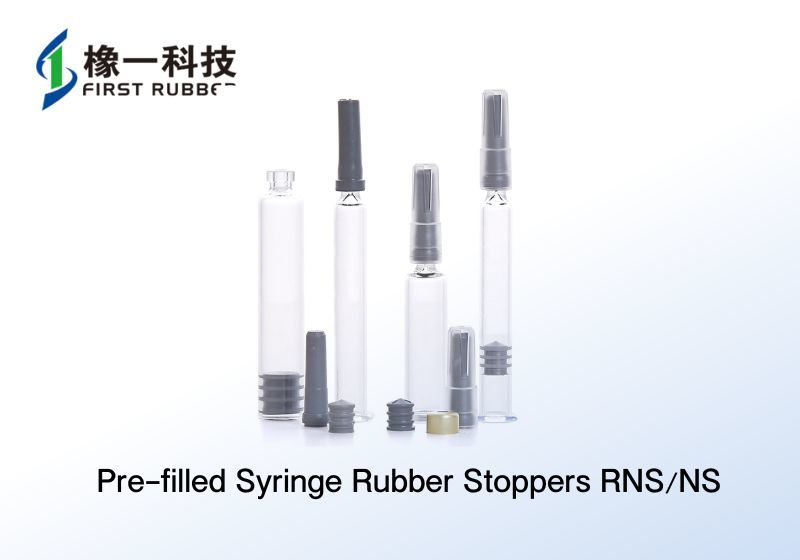
Exploring Material Properties: Why Rubber is Ideal for Syringe Plungers
Table of Contents
1. Introduction to Syringe Plunger Materials
2. The Importance of Material Selection in Medical Devices
3. Key Properties of Rubber as a Material
3.1 Elasticity and Flexibility
3.2 Chemical Resistance
3.3 Biocompatibility and Safety
4. Comparison of Rubber with Other Common Materials
4.1 Rubber vs. Plastic
4.2 Rubber vs. Silicone
5. Manufacturing Process of Rubber Syringe Plungers
5.1 Molding Techniques
5.2 Quality Control Standards
6. Real-World Applications of Rubber Syringe Plungers
7. Future Innovations in Rubber Materials
8. FAQs about Rubber Syringe Plungers
9. Conclusion
1. Introduction to Syringe Plunger Materials
Syringe plungers play an essential role in the functionality and safety of medical syringes. These devices are crucial for accurate medication delivery in various healthcare settings. However, the choice of material for syringe plungers significantly impacts their performance. Among the various materials available, rubber stands out due to its unique properties that enhance the overall efficacy of syringe plungers.
2. The Importance of Material Selection in Medical Devices
Choosing the right material for medical devices is critical to ensuring their safety and effectiveness. Medical professionals rely on devices that not only perform well but also adhere to stringent safety regulations. The material must be robust enough to withstand frequent use while being biocompatible to avoid adverse reactions in patients. In this context, rubber emerges as a top contender for syringe plungers.
3. Key Properties of Rubber as a Material
Rubber's unique combination of properties makes it an ideal material for syringe plungers. Let’s explore some of these key characteristics in detail.
3.1 Elasticity and Flexibility
Rubber is renowned for its **exceptional elasticity and flexibility**. This property allows syringe plungers to provide a secure seal within the barrel of the syringe while enabling smooth operation. The plunger must resist deformation and maintain its shape under pressure, which rubber accomplishes efficiently.
3.2 Chemical Resistance
Medical syringes come into contact with various substances, including medications and disinfectants. Rubber exhibits outstanding **chemical resistance**, making it suitable for syringe plungers that may be exposed to aggressive chemical agents. This property ensures that the plunger does not degrade over time, maintaining its integrity and functionality.
3.3 Biocompatibility and Safety
In the medical field, **biocompatibility** is non-negotiable. Rubber materials can be formulated to be non-toxic and safe for human contact. This is particularly crucial for syringe plungers, which are often used to administer medication directly into the body. The biocompatibility of rubber minimizes the risk of allergic reactions and other complications, ensuring patient safety.
4. Comparison of Rubber with Other Common Materials
When evaluating the best materials for syringe plungers, it's vital to compare rubber with other alternatives. This section highlights how rubber stands out in comparison to plastic and silicone.
4.1 Rubber vs. Plastic
Plastic is a commonly used material in medical devices, but it often lacks the elasticity and sealability that rubber provides. Rubber plungers can create a tighter seal, reducing the risk of leaks during use. Additionally, rubber's resistance to wear and tear often outperforms plastic, making it a more durable choice for syringe plungers.
4.2 Rubber vs. Silicone
Silicone is another viable option for medical devices, but it can be more expensive than rubber. While silicone is also biocompatible, rubber typically offers better elasticity and chemical resistance, making it more suitable for high-use applications like syringe plungers. The cost-effectiveness of rubber, combined with its performance characteristics, makes it a preferred choice.
5. Manufacturing Process of Rubber Syringe Plungers
The effectiveness of rubber syringe plungers is also determined by their manufacturing processes. Understanding these processes is essential for ensuring high-quality products.
5.1 Molding Techniques
The production of rubber syringe plungers often involves **molding techniques**. Compression molding is a common method where rubber is shaped under heat and pressure to create the desired form. This technique ensures uniformity and precision in the plunger's dimensions, critical for effective performance in syringes.
5.2 Quality Control Standards
Quality control is paramount in the manufacturing of rubber syringe plungers. Rigorous testing ensures that each plunger meets medical standards for safety and performance. This includes testing for **biocompatibility, durability, and chemical resistance**, ensuring that the final product is safe for medical use.
6. Real-World Applications of Rubber Syringe Plungers
Rubber syringe plungers are widely used across various medical applications. They are commonly found in hospitals, clinics, and laboratories, where they facilitate the safe and accurate administration of medications. The versatility of rubber materials makes them suitable for different types of syringes, including those used for vaccinations, blood draws, and intravenous therapies.
7. Future Innovations in Rubber Materials
As the medical field evolves, so does the need for innovative materials. Research continues into developing new rubber compounds that enhance performance further, focusing on increasing elasticity, reducing manufacturing costs, and improving biocompatibility. These advancements promise to make rubber syringe plungers even more efficient and reliable in the future.
8. FAQs about Rubber Syringe Plungers
What types of rubber are used in syringe plungers?
Rubber materials like natural rubber, synthetic rubber, and thermoplastic elastomers (TPE) are commonly used in syringe plungers, each offering unique advantages.
Are rubber syringe plungers safe for all medications?
Yes, rubber syringe plungers are designed to be biocompatible and safe for administering various medications, provided they meet industry standards.
How do rubber plungers compare in cost to other materials?
Rubber is generally more cost-effective than silicone while offering comparable performance, making it a popular choice for manufacturers.
Can rubber syringes be reused?
While some rubber syringe plungers are designed for single-use, specific types can be sterilized and reused in medical settings, depending on regulatory guidelines.
What advancements are being made in rubber materials for medical use?
Research is focused on developing new rubber compounds that enhance elasticity, chemical resistance, and overall performance in medical applications.
9. Conclusion
In summary, rubber stands out as an ideal material for syringe plungers due to its unique properties, including elasticity, chemical resistance, and biocompatibility. The manufacturing processes ensure that these plungers meet stringent medical standards, making them reliable for various applications. As innovations continue in rubber materials, we can expect even greater advancements in medical device technology, further solidifying rubber's role in the healthcare industry. Whether for routine vaccinations or critical medical procedures, rubber syringe plungers play a crucial role in delivering safe and effective patient care.

Tel: +86-0311-89197800
Hotline: +86 151 2277 7167
E-mail: inquiry1@desheng.net
Add:No. 518, Zhengding Technology Industrial Park, Shijiazhuang City, Hebei Province, China