

-

-
Exhibition


FIRST RUBBER
The Future of Rubber Stoppers in Medical Technology: Innovations and Insights
Published:
Jan 07,2026
Classification:
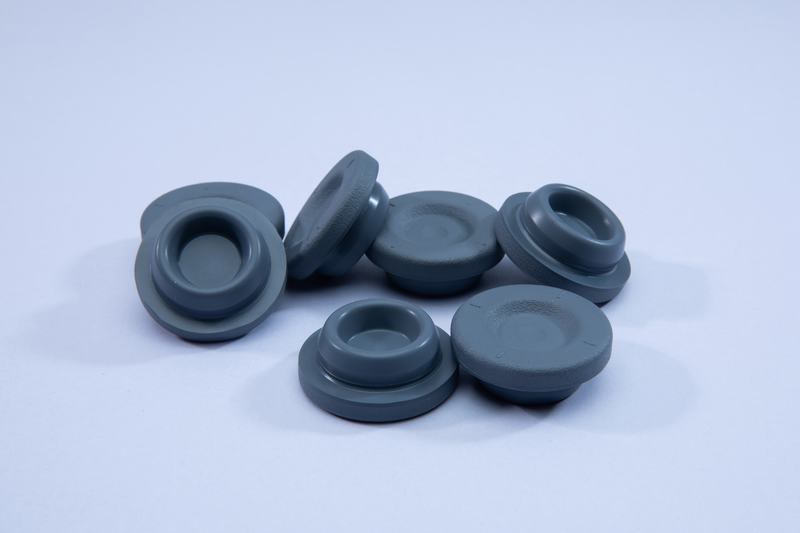
The Future of Rubber Stoppers in Medical Technology: Innovations and Insights
In the ever-evolving landscape of medical technology, rubber stoppers have emerged as essential components that facilitate safety and efficiency across various medical devices and applications. As the demand for medical supplies continues to rise, understanding the innovations and future trends surrounding rubber stoppers is crucial for industry stakeholders. This article delves into the intricacies of rubber stoppers, their applications, the latest advancements in materials and technology, and the future outlook for this indispensable aspect of medical technology.
Table of Contents
- 1. Introduction to Rubber Stoppers in Medicine
- 2. Historical Evolution of Rubber Stoppers
- 3. Types of Rubber Stoppers and Their Uses
- 4. Material Innovations in Rubber Stoppers
- 5. Manufacturing Process of Rubber Stoppers
- 6. Safety Standards and Regulations
- 7. Future Trends in Rubber Stopper Technology
- 8. Conclusion: The Path Forward for Rubber Stoppers
- 9. FAQs about Rubber Stoppers in Medical Technology
1. Introduction to Rubber Stoppers in Medicine
Rubber stoppers play a critical role in the healthcare sector, primarily serving as seals for vials and containers that store pharmaceuticals, vaccines, and other medical substances. These small yet vital components ensure the integrity, sterility, and functionality of medical products. With the rise of new technologies and materials, rubber stoppers are evolving to meet the increasing demands of the medical field.
2. Historical Evolution of Rubber Stoppers
The use of rubber in medical applications dates back to the 19th century when it was first utilized for sealing glass containers. Over the years, the design and material composition of rubber stoppers have evolved significantly. Initially, the focus was on creating a simple seal, but as the medical industry advanced, the need for more sophisticated and reliable rubber stoppers became evident. This evolution has led to the development of various types of rubber stoppers that cater to specific medical needs.
2.1 Early Innovations
Early innovations in rubber stopper design included the introduction of various shapes and sizes to fit different vial and container types. The goal was to create a reliable barrier against contamination while allowing for easy access to the contents. The advancements in manufacturing techniques also played a significant role in improving the quality and consistency of rubber stoppers.
2.2 The 20th Century and Beyond
With the advent of synthetic rubbers in the 20th century, the performance of rubber stoppers improved dramatically. These new materials offered enhanced durability, flexibility, and resistance to chemical interactions, making them ideal for medical applications. The late 20th and early 21st centuries saw further innovations, including the development of rubber stoppers with advanced sealing technologies that minimize the risk of contamination.
3. Types of Rubber Stoppers and Their Uses
Rubber stoppers come in various types, each designed for specific applications within the medical field. Understanding these types and their uses is essential for ensuring optimal performance and safety.
3.1 Standard Rubber Stoppers
These are the most commonly used rubber stoppers, typically found in pharmaceutical vials. They provide an effective seal for liquids and powders, preventing contamination and ensuring the integrity of the product.
3.2 Luer Lock Stoppers
Luer lock stoppers are designed for compatibility with syringes, allowing for secure connections. These stoppers are particularly valuable in clinical settings where precise dosing and ease of access are paramount.
3.3 Specialty Stoppers
Specialty stoppers are tailored for specific applications, such as those used in blood collection or vaccine storage. These stoppers may feature unique designs or materials that enhance their functionality for particular medical scenarios.
3.4 Biopharmaceutical Stoppers
As the biopharmaceutical industry continues to grow, so does the need for specialized stoppers that can withstand the rigors of biological products. These stoppers are designed to maintain sterility and protect sensitive compounds from environmental factors.
4. Material Innovations in Rubber Stoppers
Advancements in material science are transforming the capabilities of rubber stoppers. Traditional rubber materials are being replaced or enhanced with innovative compounds that offer superior performance.
4.1 Silicone Rubber
Silicone rubber is gaining popularity in the production of rubber stoppers due to its excellent chemical resistance, flexibility, and durability. It is particularly suitable for applications involving heat-sensitive materials.
4.2 Thermoplastic Elastomers (TPE)
TPEs combine the properties of rubber and plastic, offering a versatile solution for medical applications. These materials can be engineered to provide specific performance characteristics, making them ideal for a wide range of stopper designs.
4.3 Bio-based Materials
With the growing emphasis on sustainability, bio-based materials are becoming more prevalent in medical device manufacturing. Rubber stoppers made from renewable resources can help reduce environmental impact while maintaining high performance levels.
5. Manufacturing Process of Rubber Stoppers
The manufacturing of rubber stoppers involves several key steps, each critical to ensuring the quality and effectiveness of the final product.
5.1 Material Preparation
The process begins with selecting and preparing the appropriate rubber materials. This may involve mixing various compounds to achieve the desired properties, such as elasticity and chemical resistance.
5.2 Molding
Once the materials are prepared, they are placed into molds that define the shape and size of the rubber stoppers. The molding process can vary, with options including compression molding and injection molding.
5.3 Curing
Curing is a crucial step that involves heating the molded rubber to ensure it retains its shape and properties. This process enhances the durability of the stoppers and ensures they can withstand the conditions of storage and use.
5.4 Quality Control
After curing, rigorous quality control measures are implemented to test the stoppers for defects, ensuring they meet industry standards and specifications. This step is essential for maintaining safety and efficacy in medical applications.
6. Safety Standards and Regulations
Safety is paramount in the medical industry, and rubber stoppers must adhere to strict regulatory standards to ensure their suitability for medical use.
6.1 ISO Standards
The International Organization for Standardization (ISO) provides guidelines for the quality and safety of medical devices, including rubber stoppers. Compliance with these standards is essential for manufacturers aiming to market their products globally.
6.2 FDA Regulations
In the United States, the Food and Drug Administration (FDA) regulates medical device components, including rubber stoppers. Manufacturers must demonstrate that their products are safe and effective before they can be used in medical settings.
6.3 International Regulations
Other countries have their own regulatory bodies, such as the European Medicines Agency (EMA) in Europe, which sets standards for medical devices. Understanding and complying with these regulations is crucial for manufacturers wishing to enter international markets.
7. Future Trends in Rubber Stopper Technology
The future of rubber stoppers in medical technology is poised for exciting developments. Several key trends are shaping the evolution of this essential component.
7.1 Smart Rubber Stoppers
As the Internet of Things (IoT) continues to expand, the integration of smart technologies into rubber stoppers may revolutionize their functionality. Smart stoppers could feature sensors that monitor the condition of the contents, providing real-time data on temperature, pressure, and contamination levels.
7.2 Increased Customization
The demand for personalized medicine is driving manufacturers to offer more customized solutions. Future rubber stoppers could be tailored to specific applications, providing enhanced compatibility with unique medical devices or formulations.
7.3 Sustainability Initiatives
With growing environmental concerns, the medical industry is increasingly focusing on sustainability. The development of biodegradable or recyclable rubber stoppers could significantly reduce waste and enhance the overall sustainability of medical products.
7.4 Enhanced Performance Materials
Future innovations are likely to focus on creating rubber stoppers with enhanced performance characteristics, such as improved chemical resistance and barrier properties. These advancements could lead to longer shelf lives for pharmaceuticals and greater safety for patients.
8. Conclusion: The Path Forward for Rubber Stoppers
The future of rubber stoppers in medical technology is bright, driven by innovative materials and advancements in manufacturing processes. As healthcare continues to evolve, the demand for reliable and high-performing rubber stoppers will only increase. By focusing on innovation, safety, and sustainability, manufacturers can ensure that rubber stoppers remain integral components in the medical industry, contributing to the safety and efficacy of medical products worldwide.
9. FAQs about Rubber Stoppers in Medical Technology
1. What are the primary functions of rubber stoppers in medical applications?
Rubber stoppers serve as seals for vials and containers, preventing contamination and maintaining product integrity.
2. How are rubber stoppers manufactured?
The manufacturing process involves material preparation, molding, curing, and quality control to ensure the stoppers meet safety standards.
3. What types of materials are used in rubber stoppers?
Common materials include traditional rubber, silicone rubber, thermoplastic elastomers, and bio-based materials.
4. What safety standards must rubber stoppers adhere to?
Rubber stoppers must comply with ISO standards, FDA regulations, and other international regulations to ensure their safety and efficacy.
5. What trends are emerging in the rubber stopper market?
Emerging trends include the integration of smart technologies, increased customization, sustainability initiatives, and the development of enhanced performance materials.

Tel: +86-0311-89197800
Hotline: +86 151 2277 7167
E-mail: inquiry1@desheng.net
Add:No. 518, Zhengding Technology Industrial Park, Shijiazhuang City, Hebei Province, China