




FIRST RUBBER
How to Maintain and Care for Rubber Teats in Medical Use: A Comprehensive Guide
Published:
Dec 05,2025
Classification:
How to Maintain and Care for Rubber Teats in Medical Use: A Comprehensive Guide
Rubber teats play a crucial role in various medical applications, particularly in neonatal care, feeding, and therapeutic settings. Given their importance, understanding how to maintain and care for these medical tools is vital to ensure their longevity and effectiveness. This comprehensive guide outlines essential pra
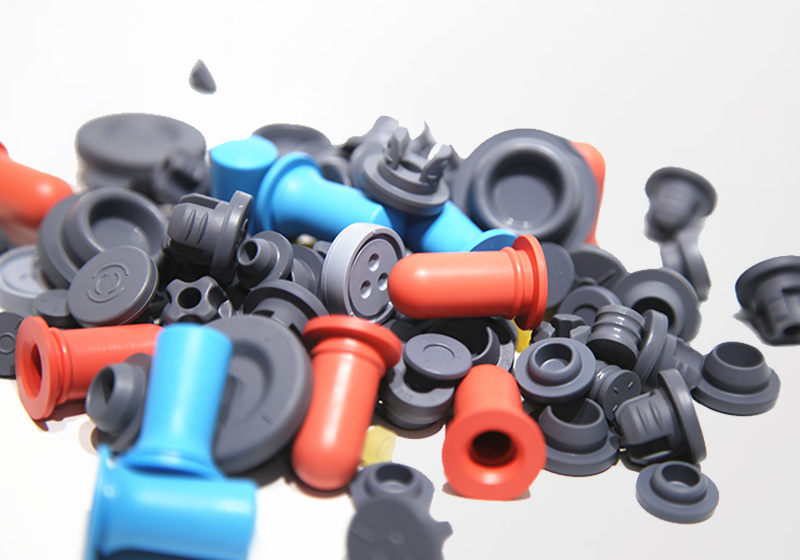
How to Maintain and Care for Rubber Teats in Medical Use: A Comprehensive Guide
Rubber teats play a crucial role in various medical applications, particularly in neonatal care, feeding, and therapeutic settings. Given their importance, understanding how to maintain and care for these medical tools is vital to ensure their longevity and effectiveness. This comprehensive guide outlines essential practices, tips, and FAQs to help healthcare professionals and caregivers provide the best care for rubber teats.
Table of Contents
1. The Importance of Maintaining Rubber Teats in Medical Use
2. Types of Rubber Teats Used in Medical Settings
3. Cleaning Rubber Teats: Best Practices
4. Sterilization Techniques for Rubber Teats
5. Proper Storage of Rubber Teats
6. Regular Inspections: What to Look For
7. When and How to Replace Rubber Teats
8. Frequently Asked Questions
9. Conclusion
The Importance of Maintaining Rubber Teats in Medical Use
Rubber teats are essential in various medical scenarios, including feeding infants who cannot breastfeed, aiding patients with dysphagia, and providing comfort in therapeutic contexts. **Proper maintenance** of these tools is critical for several reasons:
- **Infection Prevention**: Contaminated teats can harbor harmful bacteria, leading to infections.
- **Functionality**: Well-maintained teats ensure optimal flow and usability.
- **Patient Safety**: Regular care reduces the risk of choking or aspiration by ensuring the teat’s integrity.
With these factors in mind, healthcare providers must prioritize the maintenance and care of rubber teats.
Types of Rubber Teats Used in Medical Settings
Knowing the different types of rubber teats available helps healthcare professionals choose the right one for their patients. Common types include:
Standard Rubber Teats
These are typically used for bottle-feeding and come in various sizes and flow rates. They are designed for infants and patients who need assistance with feeding.
Specialized Teats
Some rubber teats feature unique designs to cater to specific medical needs, such as those for patients with swallowing difficulties or oral sensitivities.
Anti-Colic Teats
These are designed to reduce gas intake during feeding, making them ideal for infants and patients prone to digestive issues.
Understanding the types of rubber teats assists in selecting the most appropriate option for different medical situations.
Cleaning Rubber Teats: Best Practices
**Cleaning rubber teats** is a fundamental part of their maintenance. Follow these best practices to ensure thorough cleanliness:
Daily Cleaning Routine
1. Disassemble the teat from its housing.
2. Rinse the teat under running warm water to remove any residual milk or fluids.
3. Use a mild detergent to wash the surface.
4. Rinse thoroughly to avoid any soap residue.
Deep Cleaning Weekly
Once a week, perform a deep cleaning:
1. Prepare a solution of warm water and mild, non-toxic disinfectant.
2. Soak the teats in the solution for about 15-30 minutes.
3. Rinse thoroughly and allow them to air dry completely before storage.
Adhering to these cleaning routines ensures that the rubber teats remain hygienic and free from harmful contaminants.
Sterilization Techniques for Rubber Teats
Sterilization is critical in medical environments to eliminate pathogens. Here are some effective sterilization techniques:
Boiling Method
1. Place the rubber teats in a pot of boiling water.
2. Boil for 5-10 minutes.
3. Remove and allow to cool on a clean, dry surface.
Steam Sterilization
Using an autoclave or steam sterilizer can effectively sterilize rubber teats:
1. Place the teats in the sterilizer.
2. Follow the manufacturer’s instructions for time and temperature settings.
Chemical Sterilization
For environments where heat sterilization is not viable, use chemical sterilants:
1. Prepare the solution according to the manufacturer’s guidelines.
2. Soak the teats for the recommended time.
3. Rinse thoroughly afterward.
Proper sterilization techniques can significantly reduce the risk of healthcare-associated infections.
Proper Storage of Rubber Teats
After cleaning and sterilization, storing rubber teats correctly is essential to maintain their integrity. Here’s how:
Choosing the Right Environment
- Store teats in a cool, dry place away from direct sunlight.
- Avoid areas with high humidity, which can promote mold growth.
Storage Containers
Use airtight containers to keep teats protected from contaminants. Mark containers with dates for easy tracking of when the teats were last cleaned and sterilized.
Regularly check stored items to ensure they remain in good condition and free from damage.
Regular Inspections: What to Look For
Conducting regular inspections of rubber teats is vital to identify any signs of wear and tear. Check for:
Cracks and Punctures
Inspect the surface for any visible cracks or holes that could compromise functionality.
Discoloration or Odors
Changes in color or the presence of odors may indicate the need for replacement.
Softness and Flexibility
As rubber teats age, they may lose their firmness. If the teat feels overly soft or does not return to shape after deformation, it’s time for a replacement.
Routine inspections help ensure that the rubber teats remain safe and effective for patient use.
When and How to Replace Rubber Teats
Even with proper care, rubber teats will eventually require replacement. Here’s when and how to do it:
Signs That Replacement is Necessary
- **Visible Damage**: If cracks or tears appear, it’s essential to replace the teat immediately.
- **Loss of Elasticity**: If the teat no longer maintains its shape, it can lead to feeding problems.
- **Staining or Odors**: Persistent stains or smells indicate that the teat may harbor bacteria, necessitating a replacement.
Replacement Procedure
1. Remove the old teat carefully to avoid damaging the feeding apparatus.
2. Clean the new teat according to the procedures outlined above.
3. Ensure proper installation into the feeding apparatus before use.
By understanding when and how to replace rubber teats, healthcare professionals can maintain a high standard of care.
Frequently Asked Questions
1. How often should rubber teats be cleaned and sterilized?
Rubber teats should be cleaned after every use and sterilized daily or before the first use after storage.
2. Can I use regular dish soap to clean rubber teats?
While mild dish soap can be used, it’s crucial to ensure it’s free of fragrances and harsh chemicals that could harm the rubber.
3. Are there specific storage conditions for rubber teats?
Yes, rubber teats should be stored in a cool, dry place away from direct sunlight and moisture.
4. What should I do if a rubber teat develops a bad odor?
If a rubber teat develops an odor, it should be cleaned thoroughly. If the smell persists, it’s best to replace the teat.
5. How long can I use a rubber teat before replacing it?
The lifespan can vary depending on usage and care, but inspect teats regularly and replace them if you notice any signs of wear or damage.
Conclusion
Maintaining and caring for rubber teats in medical use is essential for ensuring optimal hygiene, functionality, and patient safety. By following proper cleaning, sterilization, and storage practices, healthcare professionals and caregivers can effectively prolong the life of rubber teats while minimizing the risk of infection and complications. Regular inspections and timely replacements further enhance safety and effectiveness, ultimately leading to better care for patients. Prioritize these practices, and you’ll contribute significantly to the health and wellbeing of those you serve.
Pre

Tel: +86-0311-89197800
Hotline: +86 151 2277 7167
E-mail: inquiry1@desheng.net
Add:No. 518, Zhengding Technology Industrial Park, Shijiazhuang City, Hebei Province, China