




FIRST RUBBER
The Science Behind Rubber Plungers: Materials and Benefits in Healthcare
Published:
Nov 29,2025
Classification:
The Science Behind Rubber Plungers: Materials and Benefits in Healthcare
Introduction to Rubber Plungers in Healthcare
In the fast-evolving world of healthcare, the importance of reliable and efficient medical tools cannot be overstated. Among these tools, **rubber plungers** play a crucial role, particularly in various medical applications where precision, hygiene, and reliability are paramount
The Science Behind Rubber Plungers: Materials and Benefits in Healthcare
Introduction to Rubber Plungers in Healthcare
In the fast-evolving world of healthcare, the importance of reliable and efficient medical tools cannot be overstated. Among these tools, **rubber plungers** play a crucial role, particularly in various medical applications where precision, hygiene, and reliability are paramount. This article aims to provide a detailed exploration of the materials used in rubber plungers, their benefits, and their impact on healthcare practices.
Understanding Rubber Plungers: A Brief Overview
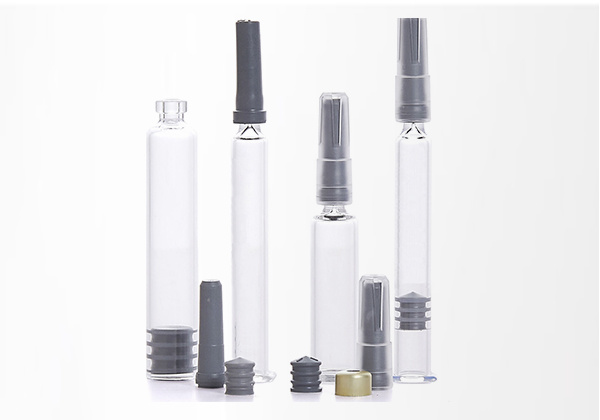
Rubber plungers are essential components in numerous medical devices, including syringes, suction devices, and laboratory equipment. These plungers are designed to create a seal within a cylinder, enabling the effective movement of fluids or gases. Their versatility and adaptability make them invaluable in medical settings, proving to be an indispensable tool for healthcare professionals.
The Role of Rubber Plungers in Medical Applications
Rubber plungers are particularly prominent in applications such as:
- **Syringes**: Used for injecting medications or drawing blood.
- **Vacuum Pumps**: Assist in the suction of bodily fluids or in laboratory environments.
- **Suction Devices**: Facilitate the removal of obstructions from airways or surgical sites.
Each of these applications requires precise engineering and reliable materials to ensure patient safety and effective outcomes.
Material Composition of Rubber Plungers
The performance of rubber plungers heavily relies on the materials used in their construction. Various types of rubber are commonly utilized, each with unique properties that suit different medical applications.
Natural Rubber: The Traditional Choice
**Natural rubber**, derived from latex, has been a long-standing material for manufacturing rubber plungers. Its high elasticity and resilience make it an excellent choice for applications requiring flexibility. However, natural rubber can be sensitive to temperature fluctuations and degradation over time.
Synthetic Rubber: Versatility and Durability
In response to the limitations of natural rubber, **synthetic rubber** has gained popularity in medical applications. Composed of various polymers, synthetic rubber offers several advantages, including:
- **Enhanced Durability**: Resistant to wear and tear, ensuring longevity.
- **Chemical Resistance**: Adaptable to various disinfectants and chemicals used in healthcare settings.
- **Temperature Stability**: Maintains performance in a wide range of conditions.
Common types of synthetic rubber used in plungers include silicone, neoprene, and nitrile rubber.
Silicone Rubber: A Preferred Material
**Silicone rubber** is often preferred for rubber plungers in medical devices due to its non-reactive nature, making it safe for use with various substances. Its high thermal stability and flexibility allow it to function effectively in both high and low temperatures, ensuring reliability in critical applications such as syringes and suction devices.
Nitrile Rubber: A Practical Alternative
**Nitrile rubber** is another synthetic option that offers excellent resistance to oils, fuels, and chemicals. This makes it suitable for use in environments where exposure to harsh substances is probable, such as laboratory settings.
Benefits of Using Rubber Plungers in Healthcare
Rubber plungers offer numerous benefits that contribute to their widespread use in healthcare.
1. Hygiene and Safety
The safety of patients is always a priority in healthcare settings. Rubber plungers are designed to be easily sterilized, ensuring that the risk of cross-contamination remains minimal. Their non-porous surfaces do not harbor bacteria, making them a hygienic choice.
2. Efficiency in Medical Procedures
The design of rubber plungers allows for smooth and efficient operation, whether in syringes or suction devices. This efficiency is crucial in emergency situations where time is of the essence.
3. Versatility Across Applications
These plungers can be tailored to fit various medical instruments, making them adaptable for multiple uses. Their flexibility allows healthcare providers to utilize the same basic design across different devices, streamlining operations and reducing costs.
4. Cost-Effectiveness
With their durability and longevity, rubber plungers are a cost-effective solution in medical environments. The reduced need for frequent replacements can lead to significant savings for healthcare facilities.
5. Environmental Impact and Disposal
Sustainability is becoming increasingly important in healthcare. Many manufacturers are now producing **biodegradable rubber plungers**, which significantly reduce environmental footprint compared to traditional materials.
Challenges and Considerations in Rubber Plunger Use
Despite their benefits, there are challenges and considerations associated with the use of rubber plungers in healthcare.
1. Material Degradation
Over time, rubber materials can degrade due to exposure to certain chemicals or environmental factors. Regular inspection and replacement of plungers are essential to ensure their effectiveness.
2. Allergies to Natural Rubber
While natural rubber has many benefits, some patients may experience latex allergies, necessitating the use of synthetic alternatives in certain situations.
3. Proper Disposal Methods
As healthcare facilities strive for sustainability, implementing proper disposal methods for rubber plungers is critical. Facilities must establish protocols for the safe disposal of contaminated materials.
Future Trends in Rubber Plunger Technology
The future of rubber plungers in healthcare is promising, with advancements in technology paving the way for enhanced performance and safety.
1. Advances in Material Science
Ongoing research in material science is expected to yield new rubber formulations that improve strength, flexibility, and resistance to environmental factors.
2. Customization and Personalization
As healthcare moves towards patient-centered care, the ability to customize rubber plungers for specific applications will become increasingly important. Manufacturers are exploring ways to tailor products to meet individual healthcare provider needs.
3. Integration with Digital Technologies
The integration of rubber plungers with digital technologies, such as smart syringes that track dosages, could revolutionize how medications are administered, enhancing patient outcomes.
Conclusion
Rubber plungers are an integral part of modern healthcare, providing essential benefits that enhance patient safety and procedural efficiency. Understanding the materials and science behind these vital components allows healthcare providers to make informed choices about their applications. As technological advancements continue to reshape the healthcare landscape, the role of rubber plungers will undoubtedly evolve, contributing to better patient care and outcomes.
Frequently Asked Questions (FAQs)
1. What materials are commonly used to make rubber plungers?
Rubber plungers are typically made from natural rubber, silicone rubber, and various types of synthetic rubber such as nitrile and neoprene.
2. Why are rubber plungers important in healthcare?
Rubber plungers are crucial in healthcare as they provide safe, efficient, and hygienic solutions for fluid transfer in medical devices, such as syringes and suction devices.
3. How do I ensure the safety of rubber plungers in medical applications?
Regular inspection for wear and tear, proper sterilization, and adherence to manufacturer guidelines for use and disposal are essential for ensuring safety.
4. Can rubber plungers be used in sterile environments?
Yes, rubber plungers can be sterilized and are designed for use in sterile environments, minimizing the risk of contamination.
5. Are there eco-friendly rubber plungers available?
Yes, many manufacturers now produce biodegradable rubber plungers that are environmentally friendly and suitable for healthcare applications.

Tel: +86-0311-89197800
Hotline: +86 151 2277 7167
E-mail: inquiry1@desheng.net
Add:No. 518, Zhengding Technology Industrial Park, Shijiazhuang City, Hebei Province, China