

-

-
Exhibition


FIRST RUBBER
Exploring Different Types of Rubber Teats for Oral Drop Bottles: A Comprehensive Guide
Published:
Oct 26,2025
Classification:
Exploring Different Types of Rubber Teats for Oral Drop Bottles
Introduction to Rubber Teats and Their Importance
Rubber teats play a critical role in the healthcare sector, particularly in administering liquid medication to infants and young children. The right type of rubber teat can ensure precise dosage while providing comfort and ease during usage. Understanding the different types of rubber
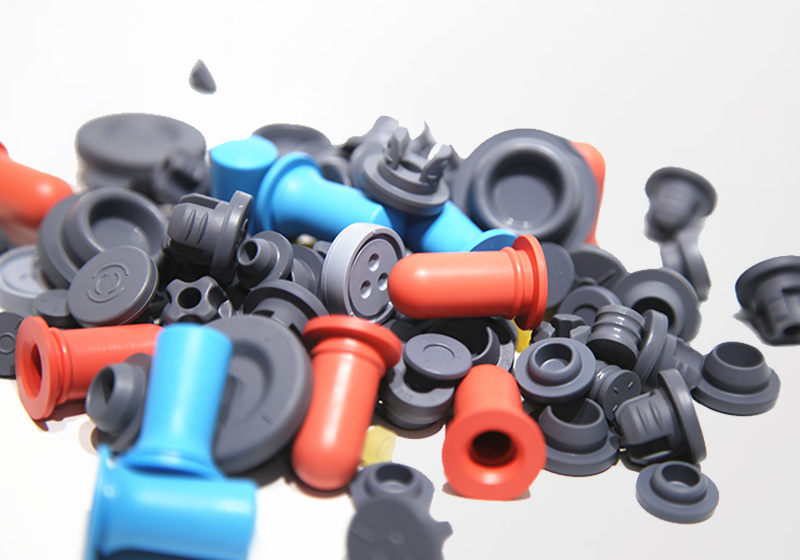
Exploring Different Types of Rubber Teats for Oral Drop Bottles
Introduction to Rubber Teats and Their Importance
Rubber teats play a critical role in the healthcare sector, particularly in administering liquid medication to infants and young children. The right type of rubber teat can ensure precise dosage while providing comfort and ease during usage. Understanding the different types of rubber teats available is crucial for healthcare providers and parents who want to enhance the medication experience for their little ones.
What Are Rubber Teats?
Rubber teats, often referred to as nipples or spouts, are flexible attachments designed for oral drop bottles. They allow for the safe and effective delivery of liquids, particularly for infants who may struggle with traditional methods. Made from high-quality rubber materials, these teats are engineered to mimic the natural feel of breastfeeding, which can significantly reduce stress for both the child and the caregiver.
Types of Rubber Teats for Oral Drop Bottles
1. Standard Rubber Teats
Standard rubber teats are the most commonly used type in oral drop bottles. They are designed with a medium flow rate suitable for a variety of liquids, including water, juices, and medicinal syrups. Their soft texture makes them comfortable for infants, encouraging easier feeding.
2. Silicone Rubber Teats
Silicone rubber teats are an alternative to traditional rubber. They offer increased durability and resistance to wear and tear. Silicone teats are typically hypoallergenic, making them a safe option for infants with sensitive skin. Their design often facilitates better airflow, reducing the risk of vacuum and ensuring a smooth flow of liquid.
3. Orthodontic Rubber Teats
Orthodontic rubber teats are specifically designed to support the natural development of a child’s mouth and teeth. These teats have a unique shape that promotes healthy oral alignment. They are particularly beneficial for children who may be using teats for an extended period, as they help in reducing the risk of dental issues associated with prolonged use.
4. Variable Flow Rubber Teats
Variable flow rubber teats are designed with adjustable flow rates, catering to the specific needs of the child. This feature is especially helpful when transitioning from breastfeeding to bottle-feeding, allowing caregivers to control the amount of liquid delivered based on the child’s ability to manage flow.
5. Anti-Colic Rubber Teats
Anti-colic rubber teats are engineered with special vents that help to reduce air intake during feeding. This design minimizes the risk of colic and discomfort in infants. The anti-colic feature is vital for parents who want to provide a more enjoyable feeding experience for their babies.
Benefits of Using Rubber Teats for Oral Drop Bottles
Comfort and Familiarity
Rubber teats are designed to resemble the natural feel of a mother’s breast, providing comfort to infants. This familiarity can make it easier for babies to adapt to feeding from a bottle, particularly during transitional periods.
Ease of Use
Oral drop bottles equipped with rubber teats are generally user-friendly, allowing caregivers to administer liquid medications efficiently. The design ensures that the caregiver has control over the flow rate, making it easier to provide precise dosages.
Durability
Quality rubber teats are durable and resistant to wear, ensuring they last longer than other materials. This longevity makes them a cost-effective option for families and healthcare providers alike.
Hygiene and Safety
Most rubber teats are made from non-toxic materials and are easy to clean, ensuring a hygienic feeding experience. They can be sterilized effectively, reducing the risk of contamination that could lead to health issues.
How to Choose the Right Rubber Teat for Oral Drop Bottles
Choosing the appropriate rubber teat for oral drop bottles involves several considerations:
1. Flow Rate
Evaluate the flow rate of the rubber teat based on the age and feeding ability of the child. A slow-flow teat is ideal for newborns, while older infants may benefit from a medium or fast-flow option.
2. Material
Consider the material of the rubber teat. Silicone tends to be more durable and hypoallergenic than traditional rubber. Ensure that the material is free from harmful chemicals, such as BPA.
3. Shape and Size
Select a teat shape that aligns with the child’s comfort and needs. Orthodontic options are great for long-term use, while standard shapes may be suitable for short-term feeding.
4. Compatibility with Bottles
Ensure that the rubber teat is compatible with the oral drop bottle you are using. Some bottles have unique designs that require specific teat types.
5. Ease of Cleaning
Opt for teats that can be easily disassembled for thorough cleaning. Hygiene is paramount, especially when administering medications.
Best Practices for Using Rubber Teats
1. Regular Inspection
Regularly inspect rubber teats for signs of wear and tear. Replace any damaged or discolored teats to ensure safe usage.
2. Proper Cleaning
Clean rubber teats after each use, following manufacturer instructions. This practice helps to maintain hygiene and prevent the buildup of harmful bacteria.
3. Monitor for Allergies
Keep an eye on your child for any signs of allergies or sensitivities to the rubber material. If you notice any adverse reactions, consult a healthcare professional immediately.
Common FAQs about Rubber Teats for Oral Drop Bottles
1. Can I use rubber teats for other liquids besides medicine?
Yes, rubber teats are suitable for various liquids, including water, breast milk, and juice.
2. How often should rubber teats be replaced?
Depending on usage, rubber teats should be replaced every 4 to 6 weeks or sooner if they show signs of wear.
3. Are silicone teats better than rubber teats?
Silicone teats are more durable and hypoallergenic, making them a great option for some babies. However, the best choice depends on the individual needs of the child.
4. How do I know which flow rate is best for my baby?
Start with slow-flow teats for newborns and gradually transition to faster flow rates as your baby grows and develops the ability to manage liquid intake.
5. Can I sterilize rubber teats?
Yes, most rubber teats can be sterilized using boiling water or specialized sterilizing equipment. Always refer to the manufacturer's guidelines for the best cleaning practices.
Conclusion: Making Informed Choices for Health and Well-Being
Choosing the right rubber teat for oral drop bottles is essential for ensuring the health and comfort of infants. By understanding the various types available, their benefits, and how to select the best option, caregivers can provide a supportive and nurturing feeding experience. Prioritize comfort, safety, and ease of use to foster positive feeding practices. Armed with this knowledge, parents and healthcare providers alike can make informed decisions that pave the way for better health outcomes for the youngest patients.

Tel: +86-0311-89197800
Hotline: +86 151 2277 7167
E-mail: inquiry1@desheng.net
Add:No. 518, Zhengding Technology Industrial Park, Shijiazhuang City, Hebei Province, China