




FIRST RUBBER
The Importance of Quality Rubber Teats for Your Health Products
Published:
Oct 16,2025
Classification:
The Importance of Quality Rubber Teats for Your Health Products
In the ever-evolving world of health products, ensuring the safety and efficacy of every component is paramount. One often overlooked but crucial aspect is the quality of rubber teats used in various applications. Whether for infant feeding bottles, medical syringes, or specialty health products, rubber teats play a vital role in user
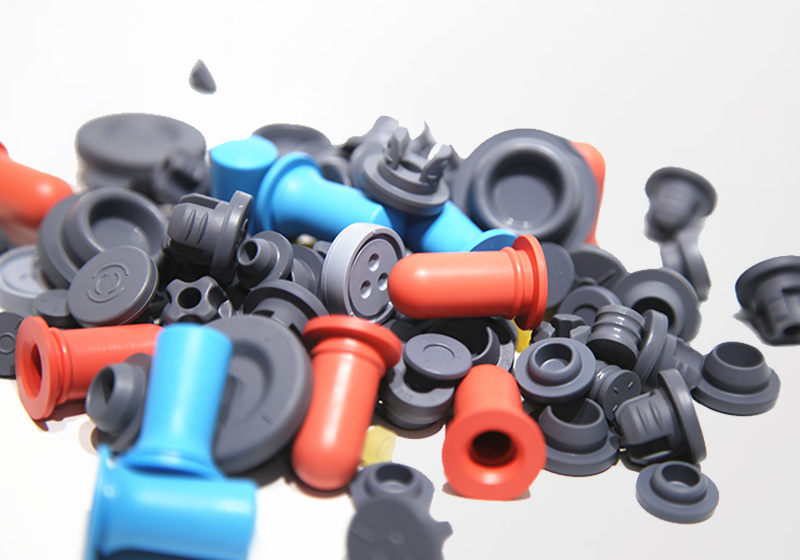
The Importance of Quality Rubber Teats for Your Health Products
In the ever-evolving world of health products, ensuring the safety and efficacy of every component is paramount. One often overlooked but crucial aspect is the quality of rubber teats used in various applications. Whether for infant feeding bottles, medical syringes, or specialty health products, rubber teats play a vital role in user satisfaction and safety. This article delves into the significance of high-quality rubber teats, their impact on health products, and factors to consider when selecting them.
Understanding Rubber Teats and Their Applications
Rubber teats, also known as nipples or valves, are specifically designed components made from natural or synthetic rubber. They facilitate the controlled flow of liquids, making them essential in various industries, particularly in healthcare. Here are some common applications where rubber teats are used:
1. Infant Feeding Bottles
In the realm of infant care, the safety and comfort of feeding products cannot be overstated. Quality rubber teats ensure that babies receive the proper nutrition without risking exposure to harmful chemicals or materials. The design and elasticity of rubber teats allow infants to suckle comfortably, mimicking the natural breastfeeding experience.
2. Medical Equipment and Devices
Rubber teats are also integral to medical devices, such as syringes and oral dispensers. Here, the quality of the material is crucial to prevent contamination and ensure accurate dosage. High-quality rubber teats help maintain sterility and prevent the pooling of liquids, essential for patient safety.
3. Specialty Health Products
From elderly care solutions to pet products, rubber teats can be found in various specialty health items. Their durability and flexibility make them suitable for different applications, ensuring that products cater to the unique needs of diverse users.
Why Quality Matters in Rubber Teats
Investing in quality rubber teats is not just a matter of preference; it is a necessity for health products. Here are some compelling reasons why quality matters:
1. Safety and Health Compliance
One of the primary concerns when selecting rubber teats is safety. Quality rubber teats are manufactured to comply with health regulations and standards. They are made from non-toxic materials that do not leach harmful substances, ensuring that health products are safe for use.
2. Enhanced User Experience
The design and feel of rubber teats significantly impact user experience. High-quality teats are designed to provide a comfortable grip and flow rate, catering to the needs of different users—be it infants or patients. A better user experience leads to improved product satisfaction and adherence.
3. Longevity and Durability
Investing in quality rubber teats means choosing products that are durable and long-lasting. Inferior teats may wear out quickly, leading to leaks or breakages that compromise the product's effectiveness. Quality teats, on the other hand, can withstand prolonged use without degrading.
4. Performance Consistency
Quality rubber teats offer consistent performance across different applications. They maintain their shape and functionality over time, ensuring that health products deliver reliable results. This consistency is crucial, especially in medical settings where precision is required.
Key Features of Quality Rubber Teats
When selecting rubber teats for health products, certain features should be prioritized to ensure quality and effectiveness:
1. Material Composition
The material used in rubber teats significantly influences their quality. Natural rubber is often preferred for its elasticity and comfort. However, synthetic options, such as silicone, may offer enhanced durability and resistance to heat. Understanding the material properties is vital for making informed decisions.
2. Design and Flow Rate
The design of rubber teats should accommodate different flow rates to suit various applications. For instance, infant teats should have controlled flow rates to prevent choking, while medical devices may require faster flow rates for efficient dispensing. Choosing the right design can enhance safety and usability.
3. Sterilization Compatibility
Quality rubber teats should be compatible with sterilization processes, especially in medical applications. This ensures that they can be safely cleaned and reused without compromising their integrity. Check product specifications for sterilization compatibility to maintain hygiene standards.
4. Comfort and Ergonomics
For products intended for prolonged use, comfort is critical. Rubber teats should have ergonomic designs that minimize strain during use. This is particularly important for infant feeding bottles, where prolonged use can lead to discomfort if the teat does not fit well.
Choosing the Right Supplier for Quality Rubber Teats
Finding a reliable supplier for rubber teats is crucial to ensuring quality in health products. Here are some tips for selecting the right partner:
1. Reputation and Experience
Choose suppliers with a strong reputation and extensive experience in manufacturing rubber teats. Review their client testimonials and case studies to gauge their reliability.
2. Certification and Compliance
Ensure that the supplier adheres to industry standards and regulations. Certifications such as ISO and CE indicate that the manufacturer meets safety and quality requirements.
3. Product Range and Customization
Select suppliers that offer a diverse range of rubber teats to meet various application needs. Customization options can also be beneficial for creating tailored solutions.
4. Customer Support and After-Sales Service
A supplier that provides excellent customer support and after-sales service can make the procurement process smoother. Ensure they are readily available to address any concerns or queries you may have.
FAQs about Quality Rubber Teats
1. What materials are commonly used for rubber teats?
Quality rubber teats can be made from natural rubber, silicone, or other synthetic materials. Each type has its own benefits and applications, making it essential to choose based on specific needs.
2. How can I ensure the safety of rubber teats for infants?
Look for rubber teats that are BPA-free and comply with safety regulations. It's also important to regularly check for wear and tear and replace them as necessary.
3. Can rubber teats be sterilized?
Yes, many quality rubber teats are designed to be sterilized. Check the manufacturer's guidelines to ensure proper sterilization methods to maintain hygiene.
4. What should I consider when selecting a rubber teat for medical devices?
Consider factors such as flow rate, material compatibility, and sterilization requirements. It's crucial to choose teats that ensure safety and accuracy in medical applications.
5. How can the design of rubber teats impact user experience?
The design influences comfort, flow rate, and ease of use. A well-designed rubber teat can enhance user satisfaction and promote better feeding or delivery experiences.
Conclusion
In conclusion, the importance of quality rubber teats in health products cannot be overstated. From ensuring safety and compliance to enhancing user experience and performance consistency, investing in high-quality rubber teats is a vital consideration for manufacturers and consumers alike. By understanding the critical features to look for and choosing reliable suppliers, we can elevate the standard of health products and contribute to improved health outcomes. By prioritizing quality, we pave the way for products that not only meet but exceed user expectations, ultimately fostering trust and satisfaction in the health industry.

Tel: +86-0311-89197800
Hotline: +86 151 2277 7167
E-mail: inquiry1@desheng.net
Add:No. 518, Zhengding Technology Industrial Park, Shijiazhuang City, Hebei Province, China