




FIRST RUBBER
Choosing the Right Material: Rubber Plungers for Prefilled Syringe Solutions
Published:
Oct 13,2025
Classification:
Introduction to Prefilled Syringe Solutions
Prefilled syringes have revolutionized the administration of medications, offering convenience and precision in dosing. The components of these syringes are crucial for ensuring the integrity and efficacy of the delivered medications. Among them, **rubber plungers** stand out as a vital element. Understanding the selection criteria for these materials ca
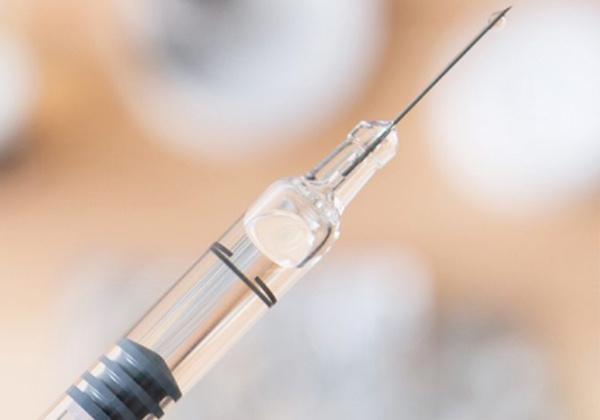
Introduction to Prefilled Syringe Solutions
Prefilled syringes have revolutionized the administration of medications, offering convenience and precision in dosing. The components of these syringes are crucial for ensuring the integrity and efficacy of the delivered medications. Among them, **rubber plungers** stand out as a vital element. Understanding the selection criteria for these materials can significantly impact patient outcomes and product efficacy.
The Importance of Material Selection in Medical Devices
Choosing the right materials for medical devices, such as prefilled syringes, is not merely a technical decision; it’s a matter of patient safety and regulatory compliance. The performance of a syringe relies heavily on its components, especially the plunger. This section will explore various factors influencing material selection.
Regulatory Compliance and Standards
Compliance with international standards, such as ISO 13485 and FDA regulations, is paramount. These standards ensure that the materials used in medical devices do not adversely affect the safety and performance of the product. Attention to regulatory requirements can guide manufacturers in selecting suitable rubber materials for plungers.
Material Properties and Their Impact on Performance
Rubber plungers must exhibit several key properties, including:
- **Chemical Resistance**: The material must withstand various chemicals to prevent degradation.
- **Elasticity and Compressibility**: These are essential for creating a proper seal and ensuring smooth operation during injection.
- **Durability and Longevity**: The plunger should maintain its integrity over the product's shelf life.
Understanding Rubber Materials Used in Plungers
Different types of rubber materials are utilized in the production of plungers for prefilled syringes. Understanding these materials helps manufacturers make informed decisions.
Synthetic vs. Natural Rubber
- **Synthetic Rubber**: This includes materials like styrene-butadiene rubber (SBR) and nitrile rubber (NBR). Synthetic rubbers are often preferred due to their consistent quality and customizable properties.
- **Natural Rubber**: Derived from latex, natural rubber offers excellent elasticity but may have limitations in terms of chemical resistance.
Thermoplastic Elastomers (TPEs)
Thermoplastic elastomers offer a unique blend of the properties of rubber and thermoplastics. They are increasingly used in prefilled syringes due to their flexibility, durability, and ease of processing. TPEs can be engineered to meet specific performance criteria, making them an attractive choice for manufacturers.
Factors Influencing the Choice of Rubber Plungers
When selecting rubber plungers for prefilled syringes, several factors come into play.
Compatibility with Drug Formulations
The compatibility of the rubber material with the drug formulation is critical. Certain drugs can interact adversely with specific rubber types, affecting the drug’s efficacy and safety. Conducting compatibility testing is essential before finalizing material selection.
Manufacturing Processes and Cost Efficiency
The choice of rubber material must also consider the manufacturing process. Some materials may be more cost-effective but could compromise performance. Understanding the balance between cost and quality is crucial for manufacturers.
Performance Testing of Rubber Plungers
Before a plunger is deemed suitable for use, it must undergo rigorous testing to ensure optimal performance.
In-Vitro Testing Methods
In-vitro testing helps manufacturers evaluate the plunger's performance in simulated conditions. Such tests assess factors like seal integrity, glide force, and material degradation over time.
Stability Studies
Stability studies are essential for understanding how the rubber plunger behaves under different environmental conditions. These studies help predict the shelf life of prefilled syringes and ensure they remain safe and effective throughout their intended use.
Case Studies: Successful Applications of Rubber Plungers
Several real-world applications demonstrate the successful use of rubber plungers in prefilled syringes.
Innovative Solutions in Biologics
Biologics often require stringent conditions to maintain efficacy. Manufacturers have successfully employed advanced rubber materials that ensure compatibility and prevent leaching, showcasing the importance of careful material selection.
Vaccination Initiatives
During vaccination campaigns, the reliability of prefilled syringes is critical. The use of high-quality rubber plungers has helped ensure the integrity of vaccines, contributing to successful public health initiatives.
Best Practices for Selecting Rubber Plungers
To optimize the choice of rubber plungers, manufacturers should adhere to these best practices:
Conduct Thorough Material Assessments
Perform comprehensive evaluations of rubber materials based on chemical compatibility, performance metrics, and regulatory standards.
Engage in Continuous Quality Improvement
Establish a feedback loop involving post-market surveillance to refine material choices and manufacturing processes based on real-world performance data.
Future Trends in Rubber Materials for Medical Applications
As the demand for prefilled syringes increases, so too does the innovation in rubber materials.
Biodegradable Rubber Options
There is a growing interest in biodegradable rubber materials that meet performance standards while minimizing environmental impact. This trend reflects a shift towards sustainable practices in medical manufacturing.
Smart Materials Integration
The integration of smart materials that can respond to environmental stimuli presents exciting possibilities for the future of rubber plungers. Such advancements could enhance the functionality and safety of prefilled syringes.
Frequently Asked Questions (FAQs)
1. What are the advantages of using rubber plungers in prefilled syringes?
Rubber plungers offer advantages such as a tight seal, smooth operation, and compatibility with various drug formulations, ensuring safety and efficacy in medication delivery.
2. How do I determine if a rubber material is compatible with my drug formulation?
Compatibility can be assessed through in-vitro testing and consultation with material suppliers who can provide data on chemical interactions.
3. Are synthetic rubber materials better than natural rubber for plungers?
Generally, synthetic rubber materials provide more consistent quality and can be tailored to meet specific performance requirements, making them preferable for medical applications.
4. What testing is required for rubber plungers before use?
Rubber plungers should undergo in-vitro performance testing, stability studies, and compatibility assessments to ensure they meet safety and efficacy standards.
5. How is the future of rubber materials evolving in the medical field?
The future includes developments in biodegradable options and smart materials that enhance the performance and sustainability of medical devices.
Conclusion
In the realm of medical technology, the selection of the right materials for prefilled syringe solutions is paramount. Rubber plungers play a vital role in ensuring the safety and efficacy of medications. By understanding the properties of different rubber materials, considering compatibility with drug formulations, and adhering to best practices, manufacturers can optimize their product offerings. As the industry evolves, embracing innovative materials and technologies will continue to shape the future of prefilled syringes, ultimately enhancing patient care and therapeutic outcomes.

Tel: +86-0311-89197800
Hotline: +86 151 2277 7167
E-mail: inquiry1@desheng.net
Add:No. 518, Zhengding Technology Industrial Park, Shijiazhuang City, Hebei Province, China