

-

-
Exhibition


FIRST RUBBER
Innovative Uses of Rubber Stoppers in Medical Devices: Revolutionizing Healthcare Applications
Published:
Oct 01,2025
Classification:
Innovative Uses of Rubber Stoppers in Medical Devices
Rubber stoppers are often overlooked components in the medical field, yet they play a crucial role in ensuring the safety and efficacy of medical devices. As healthcare technology continues to evolve, the use of these simple yet effective items has expanded significantly. This article explores the innovative applications of rubber stoppers in m
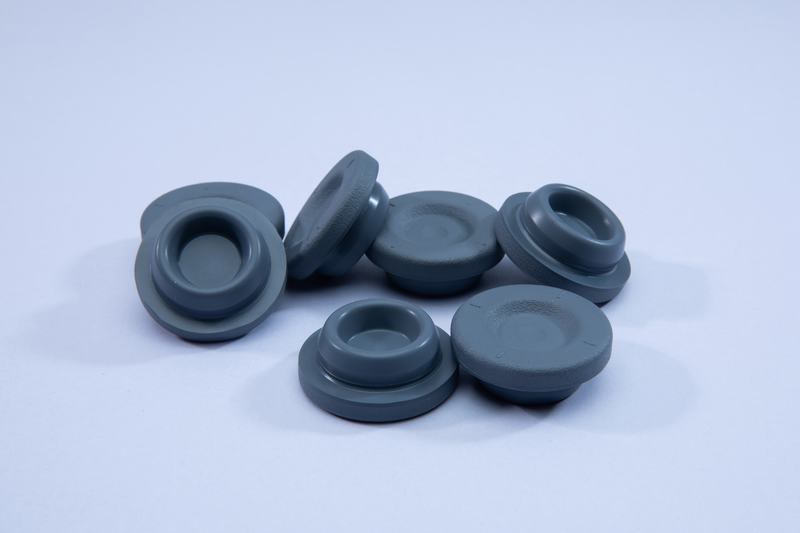
Innovative Uses of Rubber Stoppers in Medical Devices
Rubber stoppers are often overlooked components in the medical field, yet they play a crucial role in ensuring the safety and efficacy of medical devices. As healthcare technology continues to evolve, the use of these simple yet effective items has expanded significantly. This article explores the innovative applications of rubber stoppers in medical devices, shedding light on their importance in various healthcare settings.
Understanding Rubber Stoppers: Composition and Functionality
Rubber stoppers, typically made from natural or synthetic rubber, are designed to seal containers and prevent contamination. They come in various sizes and shapes, tailored to fit different medical devices and containers. Their primary functions include:
- **Sealing**: Preventing leakage and contamination of medical substances.
- **Accessibility**: Allowing easy access to contents without compromising sterility.
- **Compatibility**: Complying with various materials used in medical devices, ensuring no adverse reactions occur.
The Importance of Rubber Stoppers in Medical Devices
In the realm of medical devices, rubber stoppers serve several essential functions that enhance the overall performance and safety of healthcare products. Their importance can be summarized as follows:
1. Ensuring Sterility and Safety
Sterility is paramount in medical applications. Rubber stoppers effectively seal vials, syringes, and other containers, protecting their contents from external contaminants. This is especially critical for pharmaceuticals and biological materials that must remain uncontaminated until administration.
2. Enhancing Usability in Medical Procedures
The design of rubber stoppers allows for easy puncture without risking the integrity of the seal. This feature is critical in settings where time and precision are of the essence, such as emergency medical situations.
3. Providing Versatile Applications
Rubber stoppers are not limited to a single use; they are found in various medical devices, including:
- **Vials**: Used for storing vaccines, medications, and blood samples.
- **Syringes**: Allowing for the easy extraction and delivery of fluids.
- **Infusion Pumps**: Sealing medication reservoirs to ensure accurate dosing.
Innovative Applications of Rubber Stoppers in Medical Devices
As technology progresses, rubber stoppers are increasingly employed in innovative ways. Here are some emerging applications:
1. Drug Delivery Systems
Modern drug delivery systems often incorporate rubber stoppers to maintain the integrity of the drug formulation. These systems allow for controlled release, ensuring that patients receive the correct dosage at the right time. The use of rubber stoppers helps prevent degradation of the active ingredients, thereby improving therapeutic outcomes.
2. Biocompatibility in Implantable Devices
In implantable medical devices, biocompatibility is critical. Rubber stoppers made from specialized materials can be used to protect sensitive components from bodily fluids. This ensures that devices function properly while minimizing the risk of adverse reactions.
3. Capillary Action in Diagnostics
Rubber stoppers play a significant role in diagnostic equipment, particularly in capillary action tests. They facilitate the movement of fluids through narrow channels, allowing for accurate readings and timely diagnoses.
4. Customized Solutions for Unique Medical Needs
With advancements in 3D printing and material science, manufacturers can design rubber stoppers tailored to specific medical requirements. This customization extends to unique shapes, sizes, and material properties, enabling healthcare providers to optimize patient care.
Benefits of Using Rubber Stoppers in Medical Devices
Integrating rubber stoppers into medical devices offers numerous benefits beyond their basic functionality. Some of these advantages include:
1. Cost-Effectiveness
Rubber stoppers are relatively inexpensive compared to other sealing solutions, making them an economically viable option for medical device manufacturers. Their durability also means lower replacement costs over time.
2. Ease of Use
Medical professionals appreciate the user-friendly design of rubber stoppers, which allows for quick access to contents without the need for complex tools. This ease of use can be vital in critical care situations.
3. Enhanced Patient Safety
By preventing contamination and ensuring the integrity of medical substances, rubber stoppers contribute significantly to patient safety. They help reduce the risk of infections and other complications associated with contaminated medical devices.
4. Regulatory Compliance
Rubber stoppers that meet specific regulatory standards are essential for medical devices. Compliance with regulations such as ISO and FDA ensures that these components are safe for use in healthcare applications.
Challenges and Considerations in the Use of Rubber Stoppers
Despite their many advantages, there are challenges associated with the use of rubber stoppers in medical devices. Addressing these issues is crucial for maximizing their effectiveness:
1. Material Selection
Choosing the right type of rubber is critical. Different materials offer varying levels of biocompatibility, chemical resistance, and durability. Manufacturers must carefully consider their options based on the intended application.
2. Compatibility with Pharmaceuticals
Not all rubber stoppers are compatible with every pharmaceutical compound. It’s essential to conduct compatibility testing to ensure that the stopper material does not interact negatively with the substances contained within.
3. Environmental Impact
With increasing awareness of environmental sustainability, the production and disposal of rubber stoppers present challenges. Manufacturers are exploring eco-friendly materials and recycling options to minimize their environmental footprint.
The Future of Rubber Stoppers in Medical Technology
As the healthcare industry continues to innovate, the role of rubber stoppers in medical devices is poised to expand. Future trends may include:
1. Smart Stoppers
The integration of smart technology into rubber stoppers could allow for real-time monitoring of medication integrity, temperature, and sterility. This advancement would enhance patient safety and treatment efficacy.
2. Advanced Materials
Research into novel materials such as silicone and thermoplastic elastomers may lead to rubber stoppers that offer enhanced properties, including greater flexibility, strength, and resistance to wear.
3. Sustainability Initiatives
Increasing emphasis on sustainability may drive innovations in biodegradable rubber materials, reducing the environmental impact of medical waste associated with rubber stoppers.
Frequently Asked Questions (FAQs)
1. What are rubber stoppers made of?
Rubber stoppers can be made from natural rubber, synthetic rubber, or silicone, depending on their intended use and necessary properties.
2. How do rubber stoppers ensure sterility?
Rubber stoppers create an airtight seal around containers, preventing contaminants from entering and preserving the sterility of the contents.
3. Can rubber stoppers be used in all medical devices?
While rubber stoppers are versatile, their compatibility depends on the specific requirements of each medical device and the materials involved.
4. Are there eco-friendly alternatives to traditional rubber stoppers?
Yes, manufacturers are exploring biodegradable and recyclable materials to create more sustainable rubber stopper options.
5. What is the lifespan of a rubber stopper in a medical device?
The lifespan of a rubber stopper can vary significantly based on its material, usage, and environmental conditions, but it is generally designed for long-term use.
Conclusion
Rubber stoppers have emerged as essential elements in the medical device industry, offering innovative solutions that enhance safety, usability, and patient care. As advancements in materials and technology continue to evolve, the applications of rubber stoppers are likely to expand further, promoting better healthcare outcomes. By understanding and leveraging these innovative uses, manufacturers and healthcare providers can ensure that they meet the ever-growing demands of modern medicine.

Tel: +86-0311-89197800
Hotline: +86 151 2277 7167
E-mail: inquiry1@desheng.net
Add:No. 518, Zhengding Technology Industrial Park, Shijiazhuang City, Hebei Province, China