

-

-
Exhibition


FIRST RUBBER
Compatibility Matters: Rubber Plungers in Various Prefilled Syringe Designs
Published:
Sep 23,2025
Classification:
Compatibility Matters: Rubber Plungers in Various Prefilled Syringe Designs
Introduction to Prefilled Syringes and Their Components
In recent years, prefilled syringes have revolutionized medication delivery systems, providing significant advantages over traditional vial-and-syringe methods. These modern devices not only enhance patient safety but also improve the efficiency of drug administration
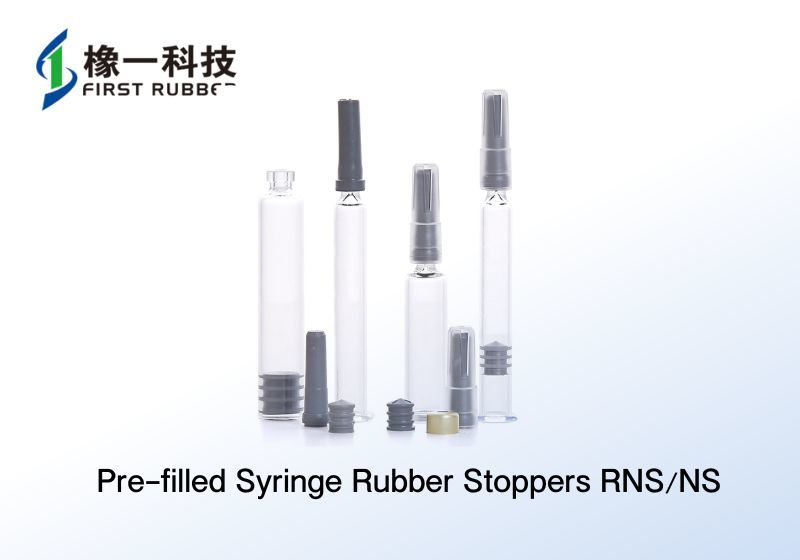
Compatibility Matters: Rubber Plungers in Various Prefilled Syringe Designs
Introduction to Prefilled Syringes and Their Components
In recent years, prefilled syringes have revolutionized medication delivery systems, providing significant advantages over traditional vial-and-syringe methods. These modern devices not only enhance patient safety but also improve the efficiency of drug administration. At the heart of every prefilled syringe is the **rubber plunger**, a crucial component that ensures the accurate delivery of medication. Understanding the compatibility of rubber plungers with various syringe designs is vital for manufacturers and healthcare providers alike.
Understanding the Role of Rubber Plungers
Rubber plungers play an essential role in the functionality of prefilled syringes. They provide the necessary force to expel the medication while maintaining a secure seal to prevent contamination. The design, material, and compatibility of these plungers can greatly influence the syringe's performance and the medication's stability.
Material Composition of Rubber Plungers
The most common materials used for rubber plungers include natural rubber latex and synthetic rubber compounds. Each material offers distinct advantages and drawbacks. For instance, natural rubber provides excellent elasticity, which allows for a tight seal and smooth plunger action. However, synthetic rubber options, such as thermoplastic elastomers (TPE), often provide better chemical resistance and reduced risk of allergic reactions.
Evaluating Material Compatibility
When it comes to prefilled syringes, the compatibility of rubber plungers with the drug formulation is paramount. Specific medications may react negatively with certain rubber materials, leading to leaching of harmful substances or degradation of the drug itself. This interaction can affect drug efficacy and patient safety.
Design Innovations in Prefilled Syringes
Advancements in syringe design have led to improved user experience and drug delivery accuracy. Manufacturers are increasingly investing in research to optimize plunger design for specific applications.
Ergonomic Designs for Enhanced Usability
Recent innovations have focused on creating ergonomic designs that enhance user experience, especially for self-administration devices. By improving the plunger's shape and grip, manufacturers are ensuring that patients can deliver their medications effectively and comfortably.
Smart Syringe Technologies
The integration of smart technologies into prefilled syringes is a game-changer. These smart syringes can monitor the dosage delivered and send feedback to healthcare providers, ensuring adherence to treatment protocols. However, the compatibility of rubber plungers with these technologies is crucial for their effective functioning.
Testing for Compatibility and Performance
Robust testing protocols are essential for ensuring the compatibility of rubber plungers with various prefilled syringe designs. This testing often includes a series of evaluations to assess the plunger's performance under different conditions.
Stability Testing with Drug Formulations
Stability testing is crucial to determine how the rubber plunger interacts with the drug over time. These tests assess the potential for drug degradation, leaching of substances, and overall performance consistency.
Mechanical Performance Assessments
Mechanical performance tests evaluate how well the rubber plunger performs under various conditions, including temperature fluctuations and pressure changes. Such assessments help manufacturers ensure that their products deliver reliable performance in real-world medical settings.
Safety Considerations in Rubber Plunger Selection
Safety is a top priority in the manufacturing of prefilled syringes. When selecting rubber plungers, it is essential to consider potential risks and take measures to mitigate them.
Allergenic Reactions to Rubber Components
Natural rubber latex can provoke allergic reactions in sensitive individuals. Thus, many manufacturers are shifting towards synthetic alternatives, which offer lower allergenic potential and better compatibility with a wider range of medications.
Ensuring Sterility and Reducing Contamination
Maintaining the sterility of prefilled syringes is vital for patient safety. The design and material of the rubber plunger can influence the overall sterility of the syringe. Manufacturers must implement rigorous sterilization processes and choose materials that minimize contamination risks.
Regulatory Standards and Compliance
The production of prefilled syringes, including rubber plungers, is subject to stringent regulatory standards. Compliance with these regulations ensures safety and efficacy in medical applications.
Understanding FDA Guidelines
The U.S. Food and Drug Administration (FDA) has established guidelines for the manufacture of medical devices, including prefilled syringes. Adhering to these guidelines is critical for market approval and public trust.
ISO Standards for Medical Devices
International Organization for Standardization (ISO) standards further govern the design and production of medical devices. Compliance with these standards is essential for manufacturers aiming to compete in the global market.
Future Trends in Rubber Plunger Technology
As the medical field continues to evolve, so too will the technology surrounding rubber plungers in prefilled syringes. Innovations will likely focus on enhancing compatibility, improving safety, and optimizing performance.
Biodegradable and Eco-Friendly Materials
The push towards sustainability is influencing materials science in the medical industry. Researchers are exploring biodegradable alternatives to traditional rubber materials, which could reduce environmental impact without sacrificing performance.
Customizable Plunger Designs
The future may also see more customizable designs, allowing manufacturers to tailor plungers specifically for their formulations. This customization could enhance compatibility and improve overall drug delivery efficacy.
FAQs
1. What materials are commonly used for rubber plungers in prefilled syringes?
The most common materials are natural rubber latex and various synthetic rubber compounds like thermoplastic elastomers (TPE).
2. Why is compatibility important for rubber plungers?
Compatibility is crucial to prevent adverse reactions between the plunger material and the drug formulation, which can affect drug efficacy and patient safety.
3. How are rubber plungers tested for performance?
Rubber plungers undergo stability testing and mechanical performance assessments to evaluate their interaction with drug formulations and their reliability under different conditions.
4. What are the safety concerns related to rubber plungers?
Safety concerns include allergic reactions to natural rubber latex and the risk of contamination. Manufacturers often choose synthetic materials to reduce these risks.
5. What regulatory standards must be considered for prefilled syringes?
Manufacturers must comply with guidelines from the U.S. FDA and ISO standards to ensure safety and efficacy in their products.
Conclusion
The compatibility of rubber plungers in various prefilled syringe designs is a critical consideration for manufacturers, healthcare providers, and patients. Understanding the materials, design innovations, and safety concerns associated with these components is essential for optimizing drug delivery systems. As the industry evolves, ongoing research and development will pave the way for future advancements, ensuring that prefilled syringes remain safe, effective, and user-friendly. By prioritizing compatibility and performance, we can enhance patient outcomes and contribute to the overall progress of medical technology.

Tel: +86-0311-89197800
Hotline: +86 151 2277 7167
E-mail: inquiry1@desheng.net
Add:No. 518, Zhengding Technology Industrial Park, Shijiazhuang City, Hebei Province, China