

-

-
Exhibition


FIRST RUBBER
How Rubber Plungers Enhance the Efficiency and Reliability of Prefilled Syringes
Published:
Sep 16,2025
Classification:
How Rubber Plungers Enhance the Efficiency and Reliability of Prefilled Syringes
Table of Contents
1. Introduction to Prefilled Syringes
2. The Role of Rubber Plungers in Syringe Design
3. Advantages of Using Rubber Plungers
4. How Rubber Plungers Improve Syringe Performance
5. Innovations in Rubber Plunger Materials
6. Quality Control in Rubber Plunger Manufacturing
7
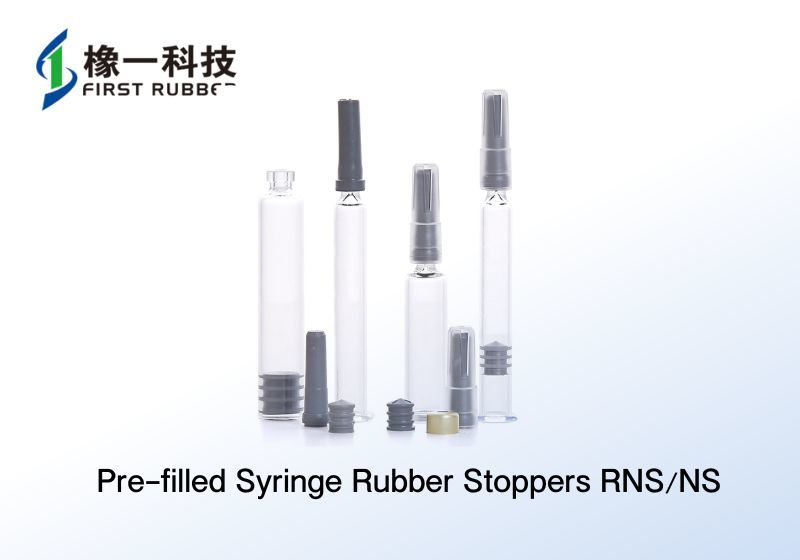
How Rubber Plungers Enhance the Efficiency and Reliability of Prefilled Syringes
Table of Contents
- 1. Introduction to Prefilled Syringes
- 2. The Role of Rubber Plungers in Syringe Design
- 3. Advantages of Using Rubber Plungers
- 4. How Rubber Plungers Improve Syringe Performance
- 5. Innovations in Rubber Plunger Materials
- 6. Quality Control in Rubber Plunger Manufacturing
- 7. Case Studies: Success Stories of Rubber Plunger Implementation
- 8. Future Trends in Prefilled Syringe Technology
- 9. Frequently Asked Questions
- 10. Conclusion
1. Introduction to Prefilled Syringes
Prefilled syringes have revolutionized the healthcare industry, providing a convenient and efficient method for drug delivery. These ready-to-use syringes come prefilled with medications, allowing for quick and accurate administration, which is particularly crucial in emergency situations. However, the **efficiency** and **effectiveness** of these devices largely depend on the quality of their components, especially the rubber plunger.
2. The Role of Rubber Plungers in Syringe Design
Rubber plungers serve as the central mechanism within prefilled syringes. They facilitate the movement of medication through the syringe barrel. Designed to create a tight seal, these plungers ensure that the medication remains uncontaminated and maintains its efficacy. The interaction between the plunger and the barrel is critical for delivering precise dosages, which underscores the importance of using high-quality rubber materials.
3. Advantages of Using Rubber Plungers
Using rubber plungers in prefilled syringes offers several notable advantages:
3.1 Enhanced Sealing Properties
Rubber plungers are designed to create a robust seal against the syringe barrel. This feature prevents leakage and ensures that the entire dose of medication can be delivered effectively. A secure seal is vital for maintaining the integrity of the drug during storage and administration.
3.2 Consistent Dosage Delivery
The design of rubber plungers allows for smooth and consistent movement within the syringe. This consistency is essential for accurate dosage delivery, which is particularly important in settings where precise medication administration is critical, such as in oncology or anesthesiology.
3.3 Compatibility with Various Medications
Rubber plungers can be manufactured to be compatible with a wide range of medications, including those that are viscous or require special handling. This compatibility ensures that healthcare providers can rely on the use of prefilled syringes for diverse medicinal needs.
4. How Rubber Plungers Improve Syringe Performance
The performance of prefilled syringes is significantly enhanced by the integration of rubber plungers. Here’s how:
4.1 Improved User Experience
Healthcare professionals appreciate the ease of use that rubber plungers provide. Their smooth operation minimizes the effort needed to administer injections, allowing for more efficient healthcare delivery.
4.2 Reduced Risk of Contamination
A well-designed rubber plunger minimizes the risk of contamination during the injection process. By creating an airtight seal, it prevents outside contaminants from entering the syringe, thereby safeguarding patient safety.
4.3 Increased Shelf Life of Medications
Rubber plungers help in maintaining the stability of medications by preventing exposure to air and moisture. This preservation means that drugs remain effective for a longer period, which is crucial for both healthcare providers and patients.
5. Innovations in Rubber Plunger Materials
Recent advancements in materials science have led to the development of new types of rubber suitable for plungers. These innovations aim to enhance performance, reduce costs, and improve safety.
5.1 Thermoplastic Elastomers (TPE)
TPEs have emerged as viable alternatives to traditional rubber. They offer superior elasticity and can be produced without harmful additives. Moreover, they often provide better compatibility with a wider range of medications.
5.2 Silicone Rubber
Silicone rubber has gained popularity due to its biocompatibility and resistance to a range of chemicals. This material is particularly advantageous for applications involving sensitive biologics.
6. Quality Control in Rubber Plunger Manufacturing
Ensuring the highest quality of rubber plungers is paramount. Rigorous manufacturing and quality control processes help maintain standards that meet or exceed regulatory requirements.
6.1 Material Testing
Before production, raw materials undergo extensive testing to ensure they meet strict specifications. This testing includes assessing mechanical properties, chemical resistance, and biocompatibility.
6.2 Process Validation
Manufacturing processes are regularly validated to ensure consistency and reliability. This validation includes monitoring production parameters and conducting routine inspections of finished products.
7. Case Studies: Success Stories of Rubber Plunger Implementation
Real-world applications illustrate the effectiveness of rubber plungers in prefilled syringes.
7.1 Case Study: Oncology Drug Delivery
In oncology, precise drug delivery is critical. A leading pharmaceutical company integrated high-quality rubber plungers into their prefilled syringes, resulting in a 20% reduction in dose variability and improved patient outcomes.
7.2 Case Study: Pediatric Immunizations
A healthcare provider reported enhanced vaccination rates after switching to prefilled syringes with rubber plungers. The ease of use and reduced risk of contamination led to a smoother immunization process for pediatric patients.
8. Future Trends in Prefilled Syringe Technology
As technology advances, the future of prefilled syringes looks promising. Innovations in rubber plunger design and materials will continue to play a significant role.
8.1 Smart Syringes
The integration of smart technology into syringes, including sensors and connectivity options, could enhance functionality. Rubber plungers will need to adapt to these new technologies to ensure compatibility and performance.
8.2 Eco-Friendly Alternatives
With an increasing emphasis on sustainability, the development of eco-friendly rubber materials for plungers will likely become a priority. Manufacturers are exploring biodegradable and recyclable materials that meet industry standards.
9. Frequently Asked Questions
9.1 What is the purpose of a rubber plunger in a prefilled syringe?
Rubber plungers facilitate the delivery of medication by creating an airtight seal and ensuring consistent dosage with minimal leakage.
9.2 Are there different types of rubber used for plungers?
Yes, common materials include natural rubber, thermoplastic elastomers, and silicone rubber, each offering different properties suitable for various applications.
9.3 How does the quality of rubber plungers affect patient safety?
High-quality rubber plungers prevent contamination and ensure accurate dosing, directly impacting patient safety and treatment efficacy.
9.4 Can rubber plungers be used with biologic medications?
Yes, specially designed rubber plungers can be compatible with biologic medications, providing a secure and effective delivery mechanism.
9.5 What innovations are being made in rubber plunger technology?
Advancements include the development of new materials, integration of smart technologies, and exploration of sustainable manufacturing practices.
10. Conclusion
Rubber plungers are a vital component in the design and functionality of prefilled syringes, playing a critical role in enhancing efficiency and reliability. Their ability to create a secure seal, ensure consistent dosage delivery, and maintain medication stability underscores their importance in the healthcare industry. As innovations continue to shape the future of this technology, rubber plungers will remain at the forefront, contributing to safer and more effective patient care. By understanding their significance, healthcare providers can make informed choices that lead to improved outcomes in medication administration.

Tel: +86-0311-89197800
Hotline: +86 151 2277 7167
E-mail: inquiry1@desheng.net
Add:No. 518, Zhengding Technology Industrial Park, Shijiazhuang City, Hebei Province, China