




FIRST RUBBER
How Rubber Stoppers Enhance the Safety of Medical Supplies
Published:
Sep 01,2025
Classification:
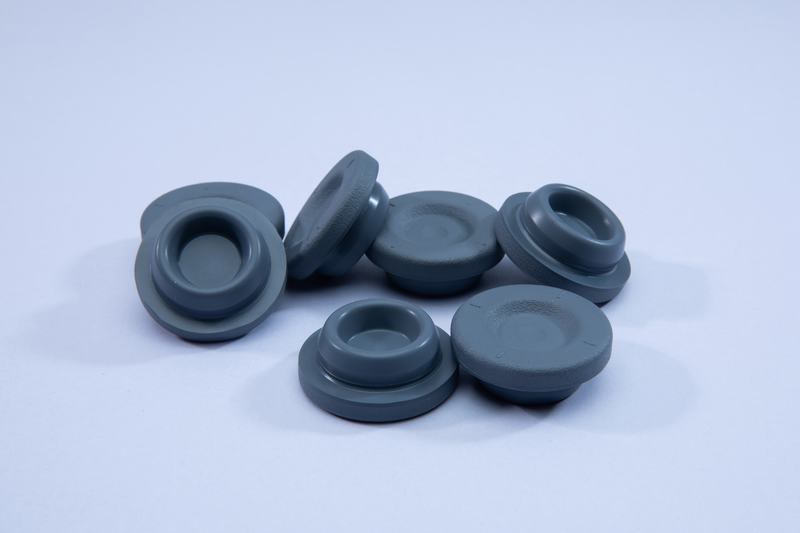
How Rubber Stoppers Enhance the Safety of Medical Supplies
In the ever-evolving field of healthcare, **ensuring patient safety** is paramount. Among the myriad of components that contribute to the safety of medical supplies, **rubber stoppers** stand out as crucial elements. This article delves into how rubber stoppers not only protect the integrity of medical supplies but also bolster overall safety standards within the healthcare sector.
Table of Contents
- Understanding Rubber Stoppers
- The Importance of Rubber Stoppers in Medical Supplies
- Types of Rubber Stoppers Used in Healthcare
- Material Safety Standards for Rubber Stoppers
- Applications of Rubber Stoppers in Medical Devices
- Benefits of Using Rubber Stoppers in Healthcare
- Best Practices for Using Rubber Stoppers
- The Future of Rubber Stoppers in Healthcare
- FAQs
Understanding Rubber Stoppers
Rubber stoppers are versatile components used to seal vials, bottles, and containers, primarily in the pharmaceutical and medical industries. Made from high-quality rubber compounds, these stoppers create an airtight seal that helps protect sensitive contents from contamination and degradation. Their design allows for easy access to the contents while maintaining safety and sterility.
The Importance of Rubber Stoppers in Medical Supplies
In the medical field, the **integrity of supplies** is crucial. Rubber stoppers play an essential role in:
- **Preventing contamination**: They act as a barrier against airborne pathogens and contaminants.
- **Maintaining sterility**: Rubber stoppers help preserve the sterility of injectable drugs, vaccines, and other sensitive medical supplies.
- **Ensuring proper dosage**: They facilitate accurate dispensing through syringe use without compromising the fluid integrity.
Types of Rubber Stoppers Used in Healthcare
There are various types of rubber stoppers available, each designed for specific applications in healthcare:
Standard Rubber Stoppers
These are used for most vials and bottles, providing a secure seal for various pharmaceutical products.
Silicone Stoppers
Silicone stoppers are preferred for their chemical resistance and flexibility, making them suitable for high-precision applications.
Latex Stoppers
Though less common due to allergic reactions, latex stoppers are still used in some applications requiring flexibility and elasticity.
Material Safety Standards for Rubber Stoppers
Rubber stoppers must comply with stringent safety standards to ensure their suitability for medical use. This includes:
- **ISO 13485**: A quality management standard for medical devices.
- **USP Class VI**: Ensures the material meets biological safety standards.
- **FDA Compliance**: Stoppers used for pharmaceuticals must meet regulatory requirements set by the Food and Drug Administration.
Applications of Rubber Stoppers in Medical Devices
Rubber stoppers have a wide range of applications in medical devices, including:
Parenteral Solutions
Used to seal vials containing injectable drugs, ensuring that the contents remain sterile until use.
IV Bags
Rubber stoppers secure intravenous solutions, allowing for safe infusion without contamination risks.
Blood Collection Tubes
Rubber stoppers are vital in blood collection systems, maintaining sample integrity and preventing leakage.
Benefits of Using Rubber Stoppers in Healthcare
The use of rubber stoppers in medical supplies offers numerous benefits:
Enhanced Safety
Rubber stoppers significantly lower the risk of contamination, thus enhancing the safety of medical products.
Cost-Effectiveness
They are relatively inexpensive and can help reduce waste by prolonging the shelf life of medical supplies.
Versatility
Rubber stoppers can be used in various applications, making them a highly versatile choice for manufacturers.
Best Practices for Using Rubber Stoppers
To maximize the efficacy and safety of rubber stoppers, consider the following best practices:
Regular Inspections
Conduct regular inspections to ensure that stoppers are intact and functioning properly.
Proper Storage
Store stoppers in a controlled environment to prevent degradation due to environmental factors.
Adhering to Manufacturer Guidelines
Always follow the manufacturer's recommendations regarding the use and maintenance of rubber stoppers.
The Future of Rubber Stoppers in Healthcare
The future of rubber stoppers in healthcare lies in continued innovation and adaptation to meet changing safety standards. New materials and technologies are being developed to enhance their effectiveness and safety profile, ensuring they remain a vital component in medical supplies.
FAQs
1. What materials are rubber stoppers made of?
Rubber stoppers can be made from various materials, including natural rubber, silicone, and latex, each selected based on the required application.
2. How do rubber stoppers contribute to medication safety?
They prevent contamination, maintain sterility, and ensure accurate dosing, all of which are critical for medication safety.
3. Are there regulations governing rubber stoppers in healthcare?
Yes, rubber stoppers must comply with ISO, USP, and FDA regulations regarding safety and effectiveness.
4. Can rubber stoppers be reused?
While some rubber stoppers can be reused, it is generally recommended to use new stoppers to avoid contamination.
5. What are the signs that a rubber stopper needs replacement?
Signs include visible wear, deformation, or any signs of compromise that may affect its sealing capability.
Conclusion
Rubber stoppers are indispensable components in the healthcare industry, enhancing the safety and efficacy of medical supplies. Their ability to prevent contamination, maintain sterility, and ensure proper dosage underscores their critical role. As healthcare continues to advance, the importance of high-quality rubber stoppers will only increase, ensuring a safer environment for patients and providers alike. By adhering to best practices and staying informed about new developments, stakeholders can continue to leverage the benefits of rubber stoppers in the medical field.

Tel: +86-0311-89197800
Hotline: +86 151 2277 7167
E-mail: inquiry1@desheng.net
Add:No. 518, Zhengding Technology Industrial Park, Shijiazhuang City, Hebei Province, China